


System Diagnosis | Context Before Action
Most businesses don’t have a traffic problem. They have a signal quality problem.
Performance drops, costs rise, and decisions get made based on incomplete or misleading data. This stage focuses on understanding what’s actually happening — across channels, tracking, messaging, and conversion — before anything gets changed.
"Real clarity removes guesswork and replaces it with direction."
- 01.
- Diagnosis
01. Understand what’s actually happening
- 02.
- Blueprint
02. Define what needs to change
- 03.
- Resolve
The Problem?
Poor signal quality leads to wasted effort.
Most businesses don’t fail because of lack of activity. They fail because effort is applied in the wrong place.
√ Campaigns run, but results don’t match spend.
√ Changes get made, but performance doesn’t improve.
√ Data exists, but it can’t be trusted.
Without a clear understanding of what’s actually happening, decisions become guesswork — and guesswork leads to wasted time, budget, and opportunity.

- 01.
- Visibility
01. What you see isn’t the full picture
Most performance issues don’t sit on the surface. Campaigns can look stable, traffic can appear consistent, and costs may even seem under control. But underneath, there are usually gaps — misalignment, inefficiencies, or missed opportunities that don’t show up in top-level metrics.
- 02.
- Data
02. Data that can’t be trusted
When tracking is incomplete, duplicated, or poorly structured, the numbers lose meaning. Decisions get made, but they’re based on signals that don’t reflect reality. Without reliable data, optimisation becomes guesswork.
- 03.
- Structure
03. Disconnected systems
Channels, tracking, and messaging often operate independently. Each part is optimised in isolation, but nothing is aligned. The result isn’t just inefficiency — it’s a system that can’t perform consistently because it isn’t working as one.
- 04.
- Focus
04. Effort applied in the wrong place
Time and budget are usually directed at what’s most visible — ads, traffic, content. But the real constraint often sits elsewhere. Without clarity, effort gets applied where it’s easiest to act, not where it makes the biggest difference.

The solution?
Context before action.
Before anything gets fixed, it needs to be understood. Most performance issues don’t come from a lack of activity, but from a lack of clarity around how the system actually behaves. This stage focuses on identifying what’s limiting performance, so effort can be applied where it will have the greatest impact.
√ The full system is reviewed, not just one channel.
√ The primary constraint is identified, not assumed.
√ Decisions are based on reliable signals, not surface metrics.
Without clear direction, effort continues to be spread across the wrong areas. With clarity, decisions become focused, consistent, and grounded in what actually drives performance.
- 01.
- Clarity
01. Establish a clear picture
Before anything is changed, the focus is on understanding how the current setup actually behaves. Channels, tracking, messaging, and conversion are reviewed together to see how they interact in practice, not how they appear on the surface.
- 02.
- Diagnosis
02. Identify the primary constraint
Not every issue needs attention. The objective is to isolate what is actually limiting performance, rather than reacting to symptoms. This removes noise and prevents effort being spread across areas that don’t move the outcome.
- 03.
- Context
03. Understand how everything connects
Individual components rarely fail on their own. Performance issues are usually the result of how systems interact. This stage focuses on understanding those relationships, so decisions are based on the full picture, not isolated signals.
- 04.
- Direction
04. Define what needs to happen next
Once the constraint is clear, the next step becomes obvious. The outcome is not a list of tasks, but a clear direction — what needs to change, what can be ignored, and where effort will have the greatest impact.
What you get?
A diagnosis to identify what’s limiting performance.
This is not a full implementation or execution plan. The focus is on understanding the current setup in enough depth to make informed decisions about what needs to change. The outcome is clarity — where performance is limited, and what will have the greatest impact if addressed.
SYSTEM REVIEW
Review of channels, tracking, and overall structure
Identification of inconsistencies and gaps
Analysis of how components interact in practice
Detection of misleading or incomplete signals
PERFORMANCE ANALYSIS
Identification of areas underperforming
Separation of symptoms from root causes
Detection of wasted spend or effort
Highlighting of missed opportunities
DATA & SIGNAL VALIDATION
Review of tracking accuracy and reliability
Identification of duplication or missing events
Alignment between reported data and actual behaviour
Validation of key performance signals
CLEAR DIRECTION
What is limiting performance
What needs to change first
What can be ignored
Where effort will have the greatest impact
Your diagnosis roadmap.
Destination? Operational alignment.
Initial Review
Access and overview of the current setup. Channels, tracking, and performance data are reviewed to understand how the system is structured.
Data & Tracking Check
Tracking implementation is reviewed for accuracy, completeness, and reliability. Any gaps or inconsistencies are identified early.
Structure Analysis
Campaigns, content, and conversion paths are analysed to understand how different elements interact and where alignment breaks down.
Performance Breakdown
Key metrics are reviewed in context. Areas of inefficiency, wasted spend, or underperformance are identified and isolated.
Constraint Identification
The primary limitation is defined. Focus shifts from symptoms to the root cause that is holding performance back.
Direction & Next Steps
Clear direction is established. What needs to change, what can be ignored, and how to move forward based on what was found.
"more traffic, more leads, more sales!"

Why V8 Digital?
Systems that work,
not services that run.
The focus isn’t on running campaigns. It’s on putting a structured system in place — one that connects SEO, paid media, tracking, reporting, and data, and making sure it actually performs. Not just activity, not just reports, but something built around how the business actually generates enquiries and revenue. That system is built, implemented, and explained. So you’re not reliant on a third party to run your marketing, and you’re not left guessing what’s happening behind the scenes. The objective isn’t to create dependency, but to create something stable, measurable, and understandable — whether managed internally or with support. Work is grounded in over 20 years of hands-on experience across multiple digital environments, with decisions shaped by context, operational understanding, and real-world behaviour rather than trends or generic playbooks. And if the fit isn’t right, that’s made clear early, because quality always beats quantity.
"Not chasing the latest fad. Solid systems are built to stand the test of time."
Infrastructure first,
results will follow.
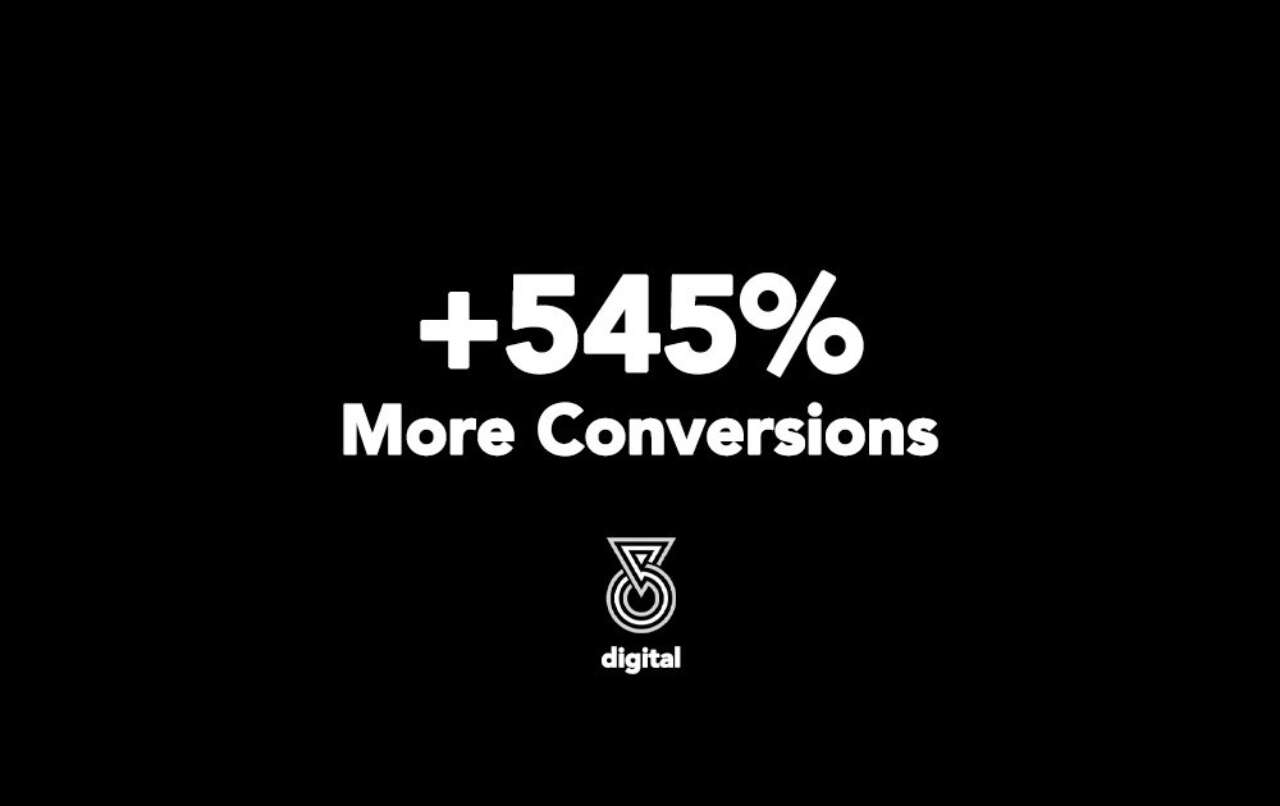
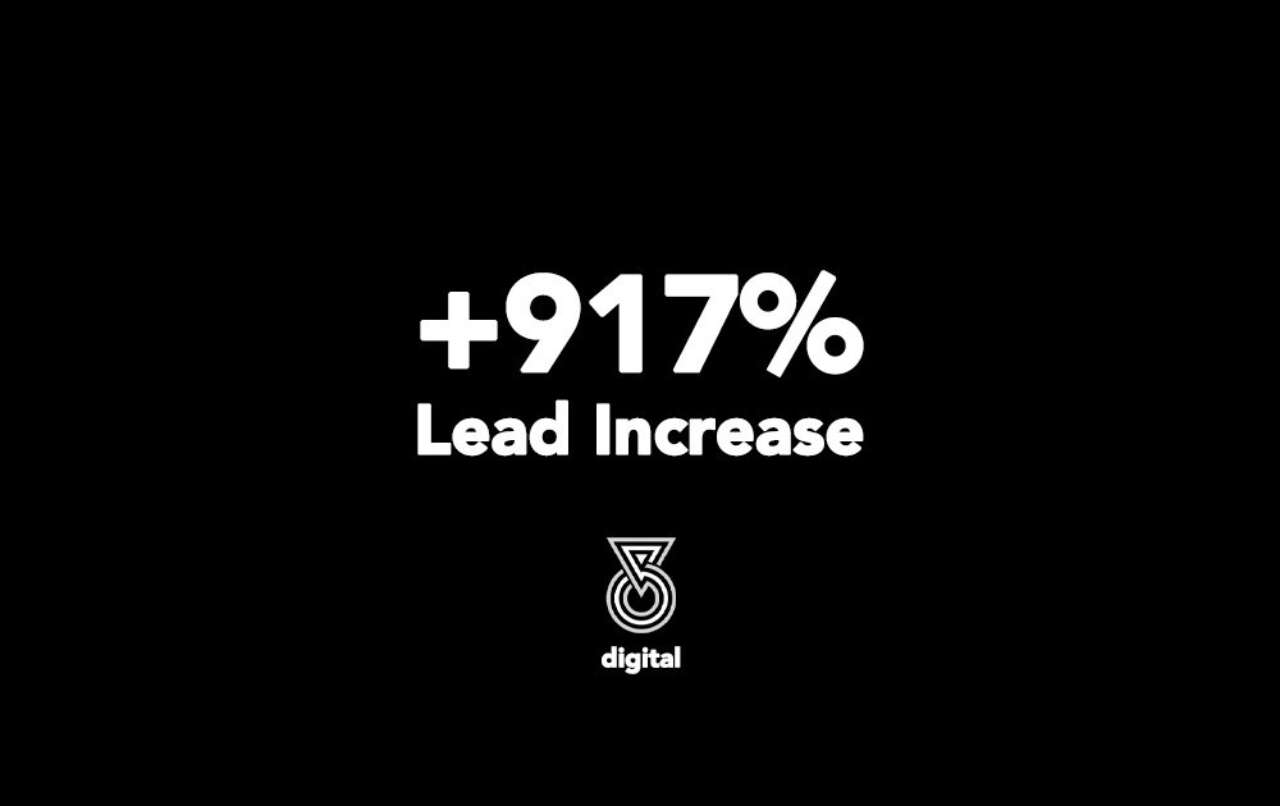
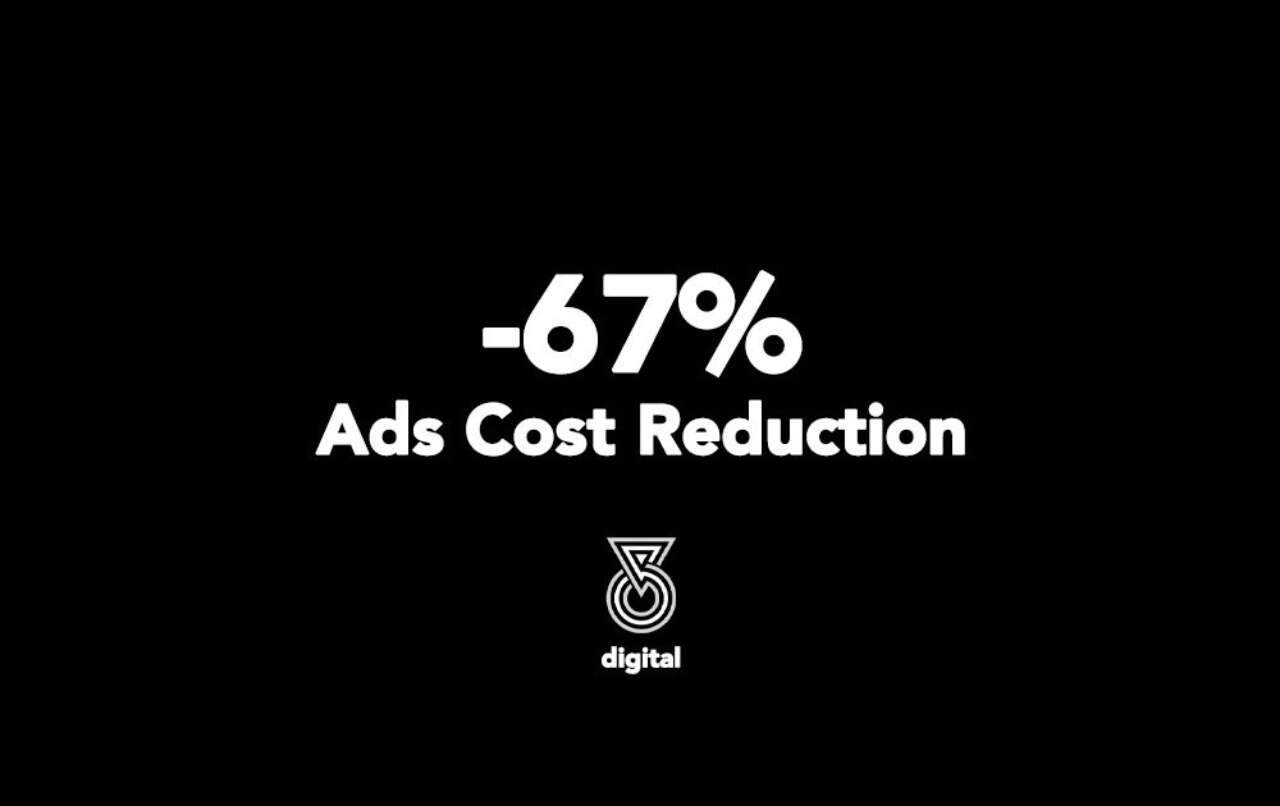
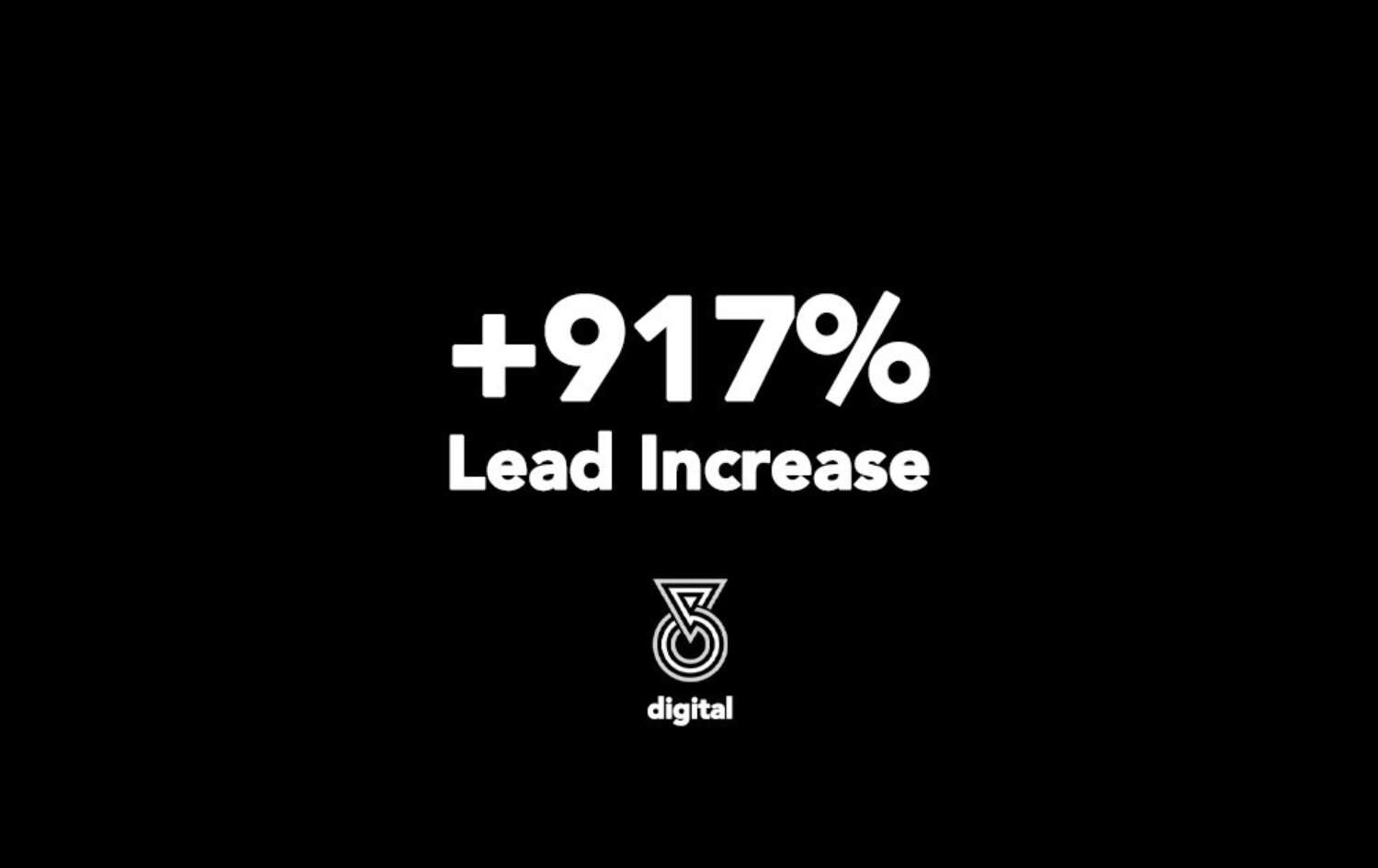
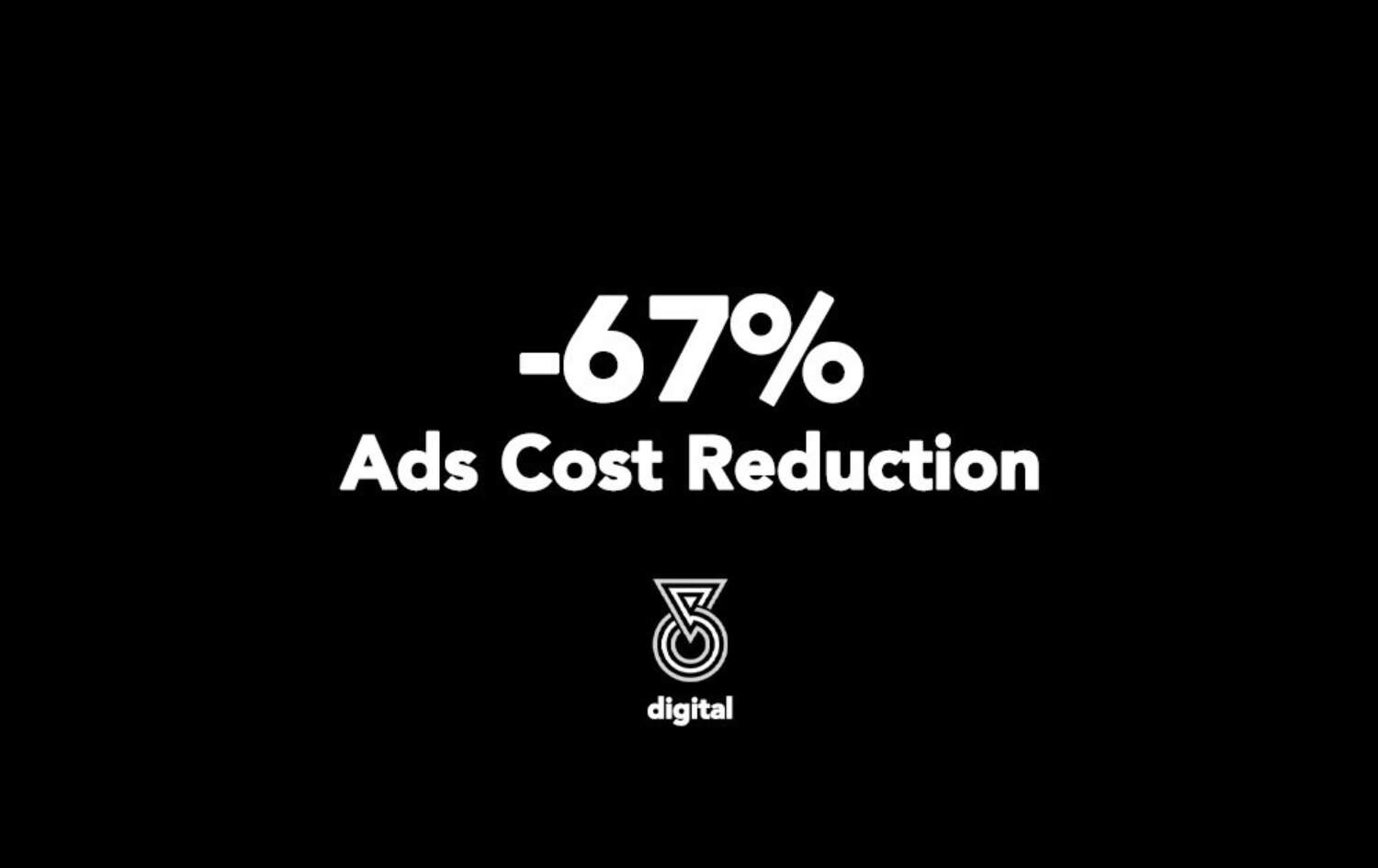
Decades of experience translate into the ability to adapt across industries. The results speak for themselves.





















Systems built around your business, not ours.
Every business operates differently — different audiences, different buying behaviour, different operational bottlenecks, and different levels of visibility into what is actually driving results. Problems that appear inside one platform are often structural issues caused elsewhere. The process begins with an introductory Compatibility Check to understand how the business currently operates, where visibility may be limited, and whether there is a strong fit both ways. For businesses moving forward, the next stage is a Benchmark + Blueprint engagement focused on understanding how systems, channels, reporting, lead flow, customer behaviour, and decision-making environments interact. The objective is not simply to identify isolated issues, but to understand the wider operational structure behind them — where friction exists, where opportunities may be missed, and where greater clarity could improve performance over time.
Most engagements take between 21–30 days, although more fragmented or operationally complex environments may require additional investigation depending on visibility, scope, and system maturity. Remote and on-site engagements are both available. Starting from £4,575 + VAT depending on scope and complexity.
"Start with understanding. Credited towards implementation if you proceed."
FAQs
These frequently asked questions cover how we work, what we deliver, and what you can expect when working with V8 Digital.
Why should I work with V8 Digital?
Because the focus isn’t just on doing the work — it’s on making sure it works and that you understand it. Everything is built around your business, your goals, and how your marketing actually operates. You’re not handed a generic service or left in the dark. You get senior-level input, a structured approach, and a system you can rely on — not just activity.
What services do you offer?
We design and build complete digital marketing systems — from SEO and website structure to paid media, tracking, and data analysis. That includes consultancy, search engine optimisation, keyword research services, and paid media such as Meta ads, LinkedIn ads, and Google Ads. The focus isn’t on isolated services, but on how everything connects and performs together.
How can digital marketing benefit my business?
Done properly, it creates a predictable flow of qualified traffic and enquiries. Done poorly, it burns budget and creates noise. The difference is structure — knowing what to target, how to build around it, and how to measure what actually matters.
How do you measure the success of your campaigns?
Success is measured against real business outcomes — enquiries, conversions, and revenue — not surface-level metrics. Traffic, clicks, and engagement only matter if they lead somewhere. Everything is tracked so you can see what’s working, what’s not, and what needs to change.
Do you offer training or consulting services?
Yes. Part of the work often involves working closely with a small internal team to ensure the system is understood and can be managed properly. The goal isn’t dependency — it’s clarity and control.
Do you work with businesses of all sizes and industries?
We typically work with small to mid-sized businesses that want more structure, better visibility, and clearer decision-making. What matters isn’t size — it’s whether there’s a good fit and a clear opportunity to improve results.
Can you provide examples of successful campaigns?
Yes. Case studies and examples are available showing improvements in visibility, lead quality, and overall performance — including reducing wasted spend and improving return from existing activity.
How do you determine the right digital marketing strategy?
Everything starts with understanding how your business is searched for, how your audience behaves, and where the opportunities sit. From there, structure, channels, and priorities are defined so effort is focused on what actually drives results.
What is your approach to search engine optimisation (SEO)?
SEO starts with understanding real search demand — not assumptions. Keywords, structure, and intent are mapped first, then built into the website and wider marketing system. That includes technical SEO, internal linking, content structure, and SEO website redesign, all working together to improve visibility and conversions.
What is your pricing structure?
Pricing is based on the scope of work and the level of involvement required. Most engagements are project-based, focused on building and structuring a working system rather than ongoing retainers. Where needed, support can be provided afterwards, but the priority is to put something in place that works and can be managed with confidence.
Are there any long-term contracts or commitments required?
There are no long-term contracts. Work is structured around defined engagements with clear outcomes. If ongoing support is needed, it’s agreed based on what actually makes sense — not tied into fixed commitments.
What happens if I'm not satisfied with the results?
If something isn’t working, it’s addressed directly. The focus is always on improving performance based on real data and feedback, not just maintaining activity for the sake of it.