


Email Marketing Systems | Strategies That Drive Retention
Email underperforms when moving parts are not aligned.
Email rarely fails because of volume. It fails when there’s no structure behind it. Messages go out without context, audiences aren’t segmented properly, and automation is either missing or incomplete. The result is predictable — low engagement, inconsistent revenue, and a channel that never reaches its potential. When email is structured properly, it becomes one of the most reliable drivers of retention and repeat revenue. Not through frequency, but through timing, relevance, and clear intent.
"Real systems, tested over time, built to perform and adapt as the landscape changes."
- 03.
- Deploy
The Problem?
Poor retention, wasted campaigns, and no measurable return.
Email underperforms when it’s treated as an afterthought. Campaigns are sent without purpose, segmentation is missing, and automation is left incomplete. Engagement drops, deliverability weakens, and revenue becomes inconsistent. The issue isn’t how often emails are sent. It’s whether they are aligned with behaviour, timing, and intent.

- 01.
- Targeting
01. Weak Segmentation & Audience Relevance
Sending the same message to everyone reduces engagement quickly. When behaviour, purchase history, and lifecycle stage aren’t considered, emails lose relevance. Open rates drop, unsubscribes increase, and opportunities are missed because the message doesn’t match the moment.
- 02.
- Messaging
02. Content That Doesn’t Convert
Low performance is rarely about frequency. It comes from unclear messaging. When emails don’t create clarity, reinforce value, or guide the next step, engagement stalls. Weak structure and vague calls to action lead to drop-offs across the entire sequence.
- 03.
- Systems
03. Missing Automation & Lifecycle Structure
Without automation, email becomes manual and inconsistent. Welcome flows, recovery sequences, post-purchase journeys, and retention paths are often missing or incomplete. That gap results in lost revenue that should have been captured automatically.
- 04.
- Performance
04. No Attribution or Visibility
When email performance isn’t tracked properly, it becomes difficult to justify or improve. Without clear attribution, decisions are made on incomplete data, and the channel is undervalued despite its potential.

The solution?
Email works when structure replaces randomness.
Performance improves when segmentation, messaging, automation, and tracking are aligned. When those elements operate independently, engagement drops and results become inconsistent. When they work together, email becomes predictable and measurable. That means:
√ Audiences are segmented based on behaviour and intent.
√ Messages are aligned with context and timing.
√ Automation delivers communication when it matters.
√ Tracking reflects actual revenue contribution.
The focus isn’t on sending more emails. It’s on sending the right message, at the right time, with a clear outcome.
- 01.
- Structure
01. Defined Strategy & Direction
Email requires a clear structure before anything is sent. Audience segments, lifecycle stages, and communication objectives are defined so every message has a purpose and a place within the system.
- 02.
- Segmentation
02. Relevant Audience Targeting
Segments are built using behaviour, engagement, and purchase signals. Messages are delivered based on where someone is in the journey, not as part of a generic broadcast.
- 03.
- Messaging
03. Clear, Outcome-Focused Communication
Emails are structured to guide action. Messaging removes uncertainty, reinforces value, and leads towards a defined next step, rather than filling space.
- 04.
- Automation
04. Consistent Lifecycle Delivery
Automation ensures communication happens at the right moment. Key journeys are structured so engagement and revenue are not dependent on manual campaigns.
Outcome.
A structured email system designed to improve retention and revenue.
No generic campaigns, no disconnected sends. This is a complete email environment — segmentation, messaging, automation, and tracking — working together so performance can be understood and improved.
AUDIENCE & STRUCTURE
Segmentation based on behaviour and lifecycle stage
Customer journey mapping across key touchpoints
Clear inclusion and exclusion logic
Re-engagement and retention structure
Alignment between message and audience context
MESSAGE & CONTENT
Messaging aligned with audience intent
Clear offers and defined next steps
Structured email layouts for readability
Sequential messaging across campaigns
Continuous refinement based on performance
TRACKING & PERFORMANCE
UTM-based tracking across campaigns
GA4 and platform data alignment
Attribution visibility for revenue tracking
Campaign vs automation performance breakdown
Engagement and conversion monitoring
CAMPAIGN STRUCTURE
Campaign planning based on intent and timing
Deliverability considerations built into structure
Logical scheduling aligned with engagement patterns
Testing framework for controlled improvements
Frequency control to prevent fatigue
AUTOMATION & LIFECYCLE
Welcome and onboarding sequences
Recovery and re-engagement flows
Post-purchase and retention journeys
Cross-sell and repeat purchase paths
Churn prevention and renewal sequences
REFINEMENT & IMPROVEMENT
Ongoing performance adjustments
Messaging and structure refinement
Segment optimisation based on behaviour
Testing of key variables across campaigns
Clear visibility into what drives results
Your email marketing timeline.
Destination? Retention and revenue.
Audit & Current State Review
Existing campaigns, segmentation, automation, and tracking are reviewed to identify gaps, inefficiencies, and missed revenue opportunities.
Segmentation & Structure Definition
Audiences are organised based on behaviour and lifecycle stage. A clear structure is defined so messages align with context and intent.
Messaging & Lifecycle Alignment
Campaigns are structured with clear messaging, defined outcomes, and alignment between content and audience expectations.
Automation & Lifecycle Implementation
Key journeys are built or refined to ensure consistent communication across onboarding, engagement, and retention stages.
Tracking & Attribution Setup
Tracking is configured so email performance reflects real engagement and revenue contribution, not partial metrics.
Optimisation & Growth
Performance is monitored and refined. Segments, messaging, and automation are adjusted based on behaviour and results.
"more traffic, more leads, more sales!"

What You Get.
A custom built behavioural infrastructure.
A complete custom-built, self-hosted digital marketing infrastructure configured around how your business generates leads, customers, and revenue. Tracking, attribution, CRM visibility, reporting, and optimisation signals operate together inside one connected environment your business fully owns and controls. This environment replaces fragmented tool sprawl with a single, synchronised acquisition engine. We deploy a custom built enterprise-grade core digital marketing infrastructure that your business owns completely, configured and decorated across four natively connected layers.
The Master Dispatcher (Server-Side GTM)
The Asset: A first-party, server-side Google Tag Manager environment configured within your own cloud architecture.
The Function: It acts as your single source of data truth, capturing pristine behavioral events at the server level and dispatching them accurately to all channels simultaneously.
The Unified Business Intelligence Engine
The Asset: A central data normalisation hub wired directly into every asset across your digital marketing arena.
The Function: It cross-references traffic, spend, and customer behavior in real time, filtering out biased platform noise so your ad algorithms optimise against real revenue.
The Behavioural Modelling Engine (CRM)
The Asset: A secure, self-hosted customer relationship pipeline that completely replaces overpriced, recurring SaaS platform fees.
The Function: This is your single source of buyer behavioural modelling. The core database is customise by programming your specific buyer patterns and automated lead-scoring logic to filter out dead beats and tire-kickers automatically.
Synchronized Performance Attribution
The Asset: An independent performance validation framework where your website, dispatcher, and CRM speak the same language.
The Function: Because your data dispatcher and CRM are natively pre-wired, your analytics and sales pipeline speak the same language, restoring total clarity to executive decision-making.
"The end of SaaS tax and dependency."
Two options, one objective.
A pre-engineered behavioural infrastructure framework for SMBs. Not a plugin, dashboard, CRM setup, or SEO package, but a deployable operational environment built from two decades of practical acquisition experience, attribution frustration, SEO intent understanding, conversion behaviour, GTM orchestration, CRM lifecycle logic, telemetry, and BI interpretation — connected into one coherent infrastructure layer.

Owned infrastructure with unified behavioural visibility.
A prefab behavioural infrastructure system for SMBs. Not a plugin, a dashboard, a CRM setup, or an SEO package, but a deployable operational framework built from two decades of practical acquisition experience, attribution frustration, SEO intent understanding, conversion behaviour, GTM orchestration, CRM lifecycle logic, telemetry, and BI interpretation, all merged into one coherent infrastructure layer.
"Tracking patterns, not people."
Keyword Research
- demand & intent mapping
Landing Page Alignment
- behavioural shaping
GTM orchestration
- unified event language
Telemetry tracking
- operational movement
Sales pipeline
- demand & intent mapping
Server Side Attribution
- decision quality
BI dashboard
- visibility & interpretation
Behavioural CRM
- memory + lifecycle
First-party ownership
- infrastructure independence
No retainers or SaaS tax
- financial relief
Digital marketing architecture designed to drive leads, not clicks.
Every business operates differently — different audiences, different buying behaviour, different operational bottlenecks, and different levels of visibility into what is actually driving results. Problems that appear inside one platform are often structural issues caused elsewhere. The process begins with an introductory Compatibility Check to understand how the business currently operates, where visibility may be limited, and whether there is a strong fit both ways.




Why V8 Digital?
Systems that work,
not services that run.
The focus isn’t on running campaigns. It’s on putting a structured system in place — one that connects SEO, paid media, tracking, reporting, and data, and making sure it actually performs. Not just activity, not just reports, but something built around how the business actually generates enquiries and revenue. That system is built, implemented, and explained. So you’re not reliant on a third party to run your marketing, and you’re not left guessing what’s happening behind the scenes. The objective isn’t to create dependency, but to create something stable, measurable, and understandable — whether managed internally or with support. Work is grounded in over 20 years of hands-on experience across multiple digital environments, with decisions shaped by context, operational understanding, and real-world behaviour rather than trends or generic playbooks. And if the fit isn’t right, that’s made clear early, because quality always beats quantity.

RBarr
Digital Builder

Felipe Rizzo
Operations Support
"Not chasing the latest fad. Solid systems are built to stand the test of time."
Infrastructure first,
results will follow.
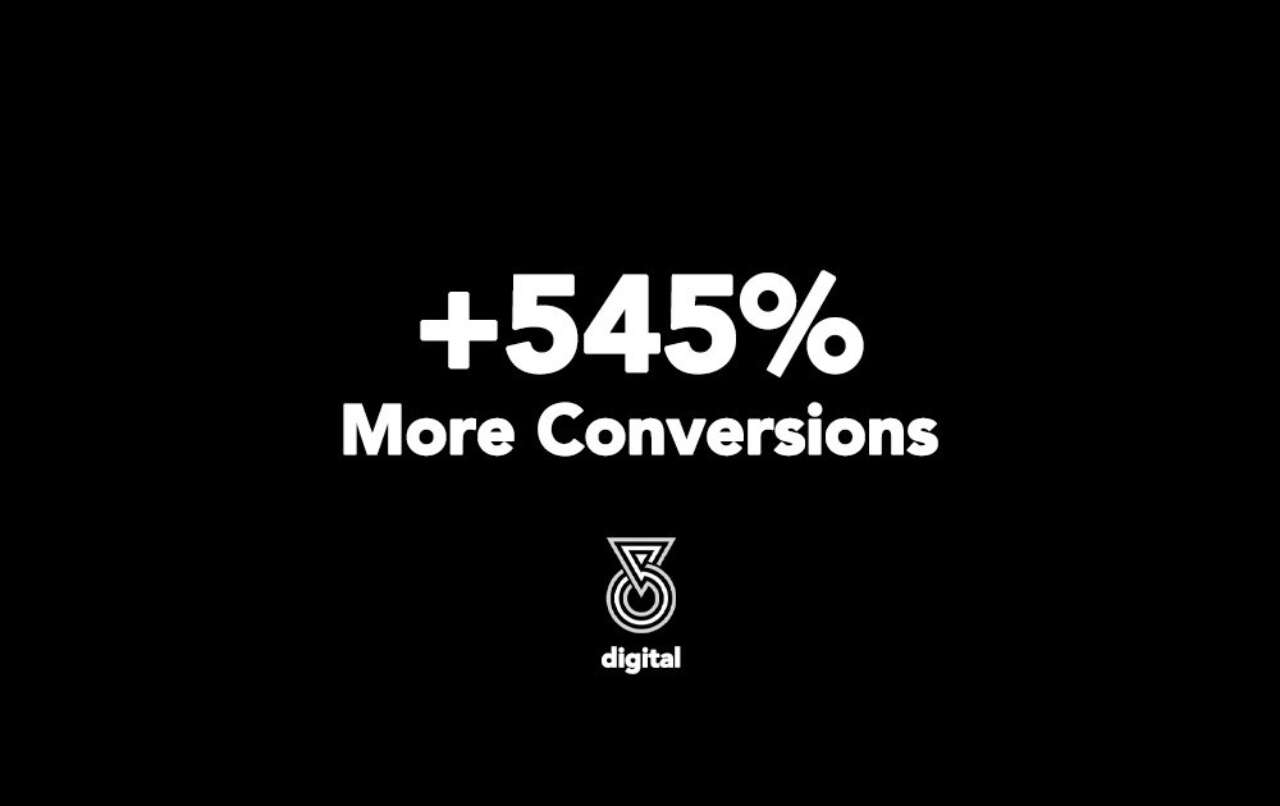
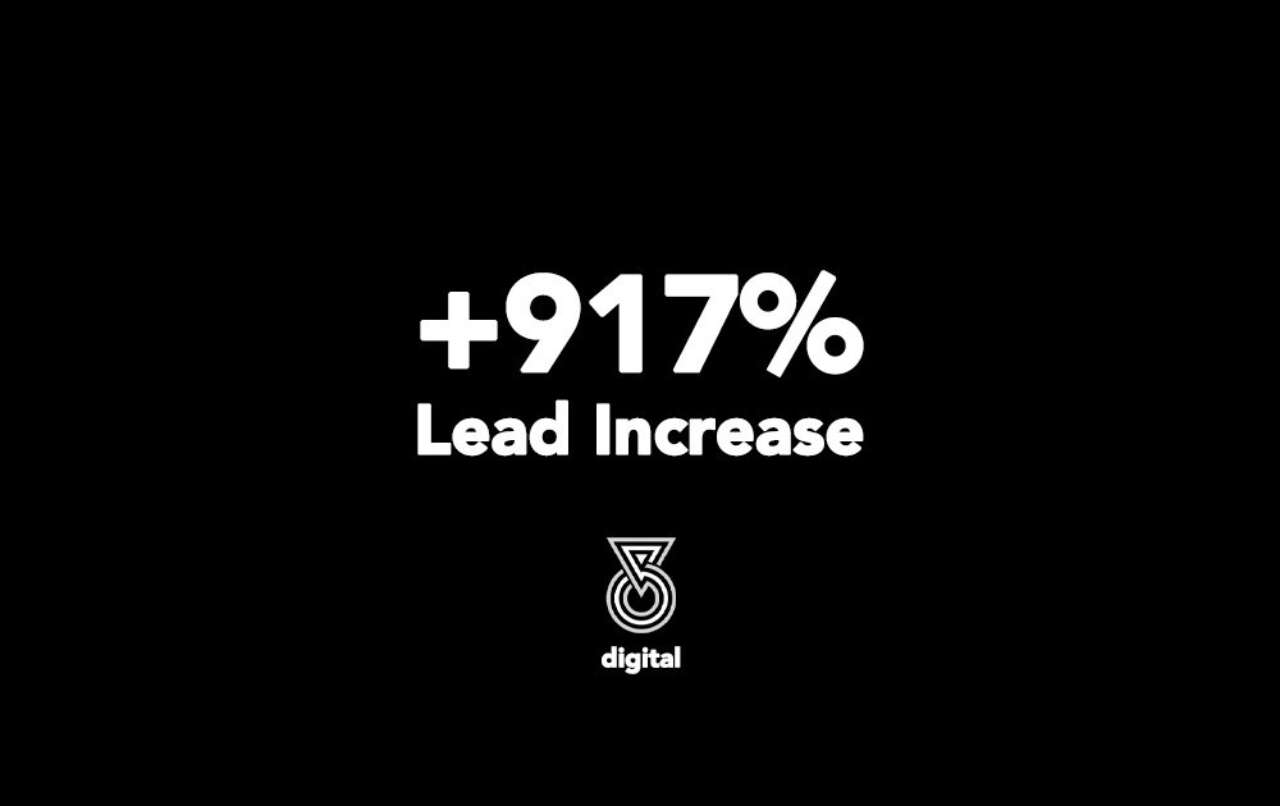
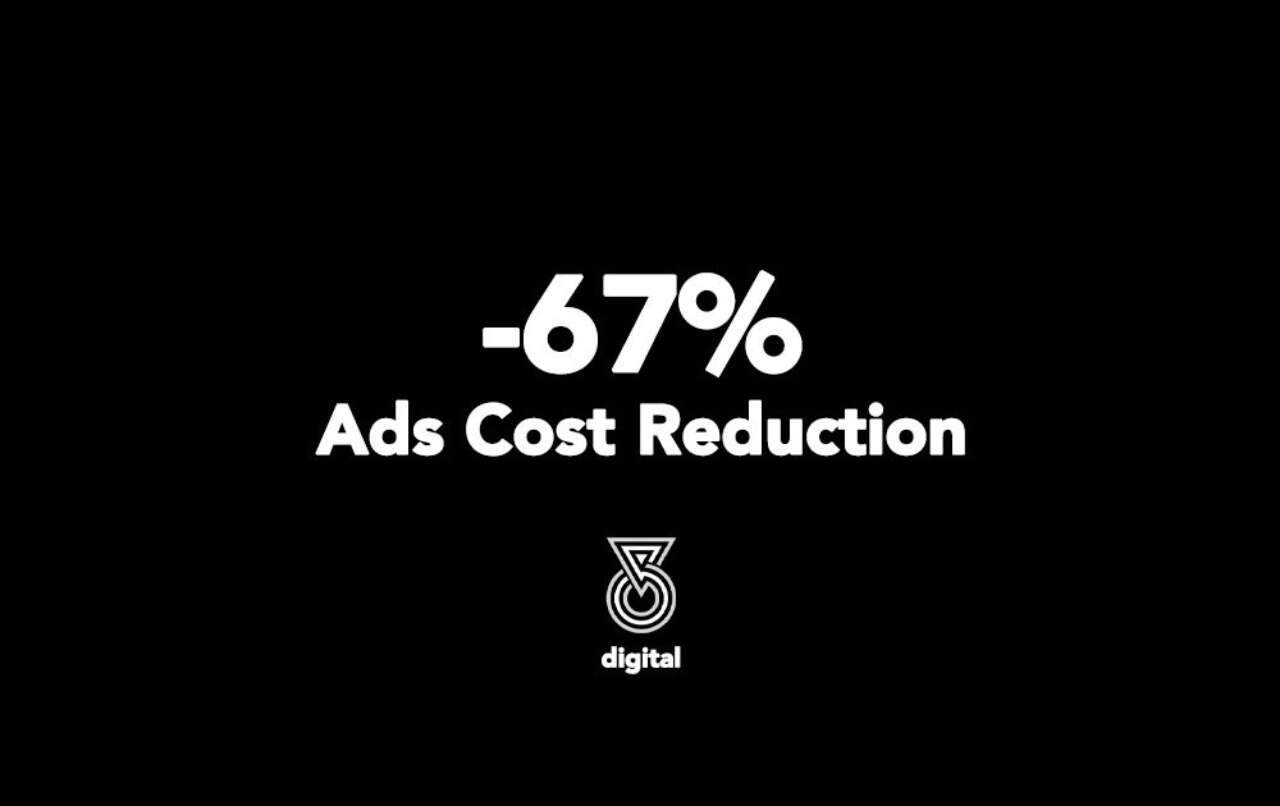
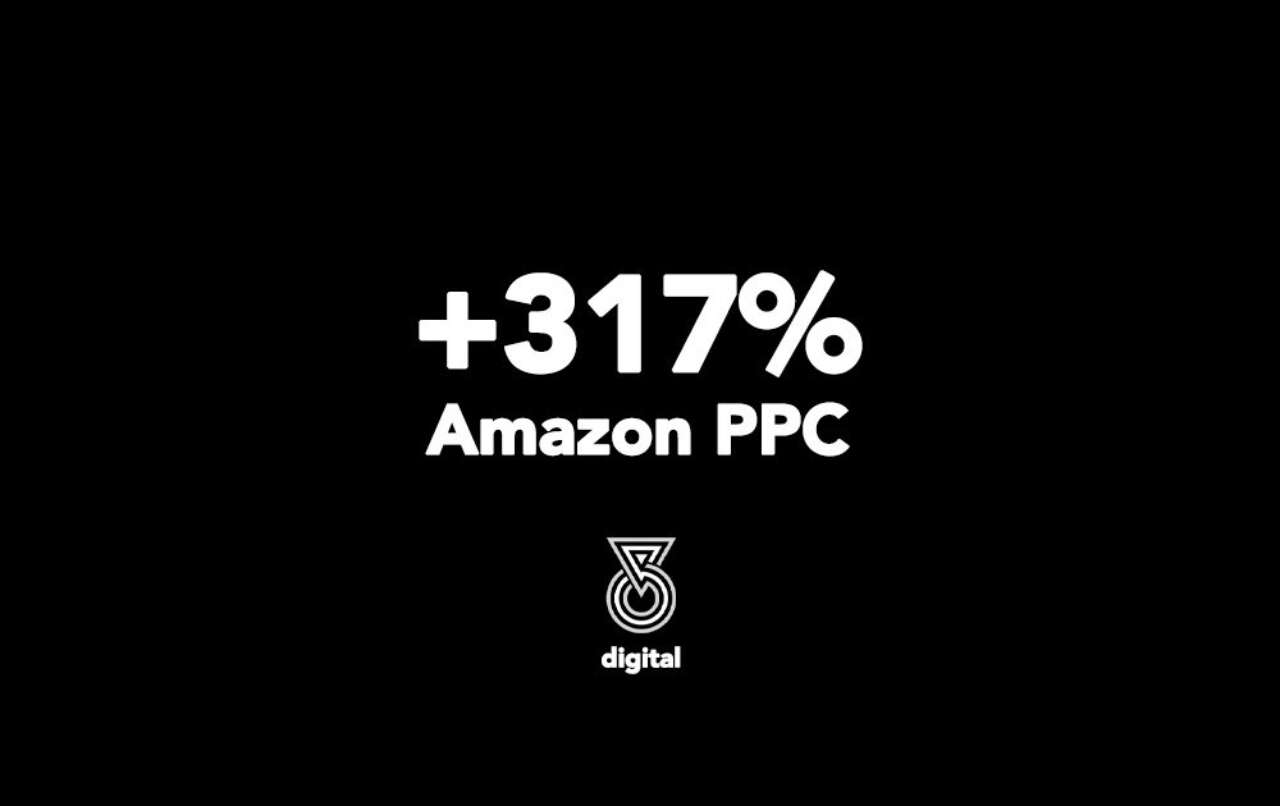
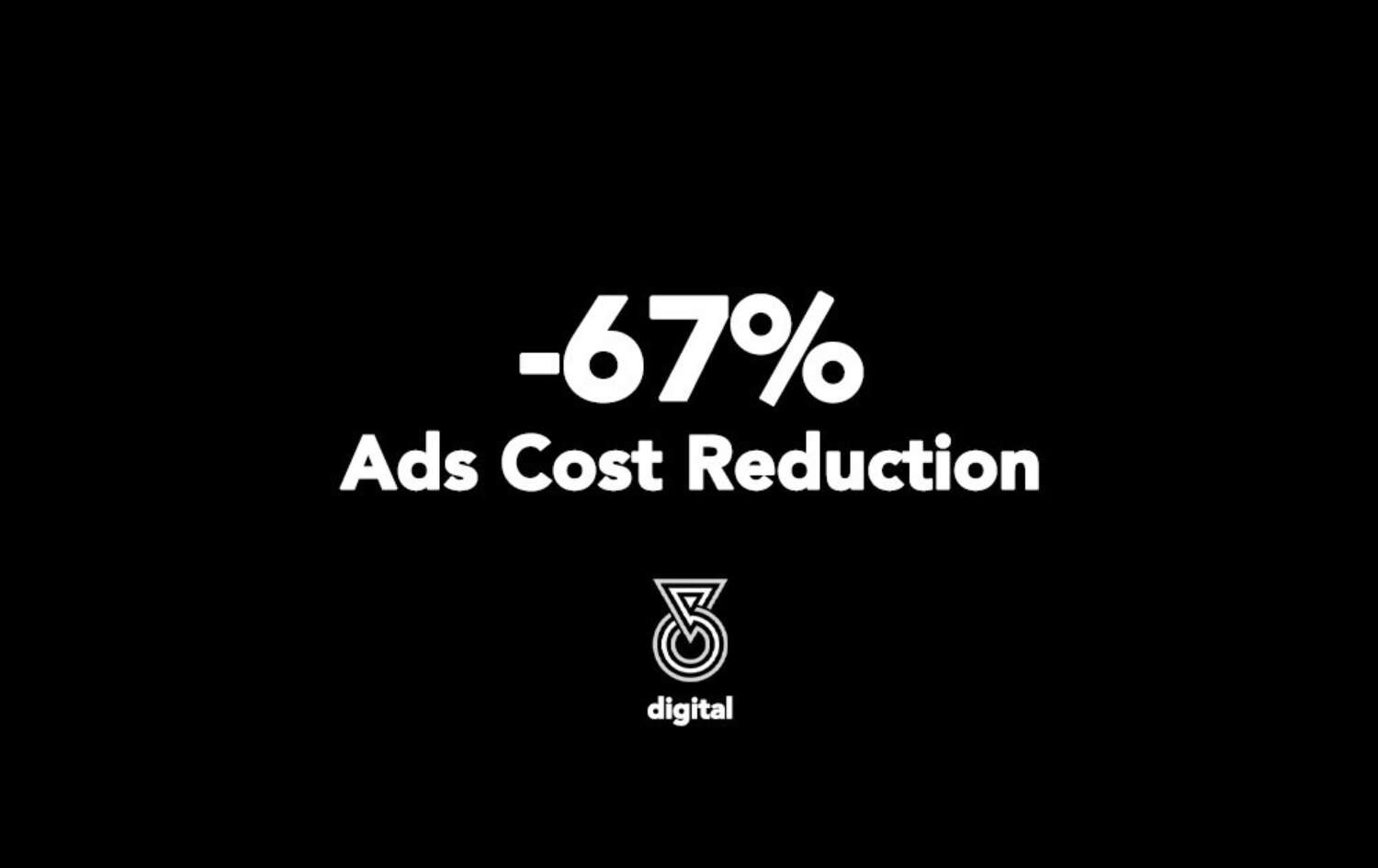
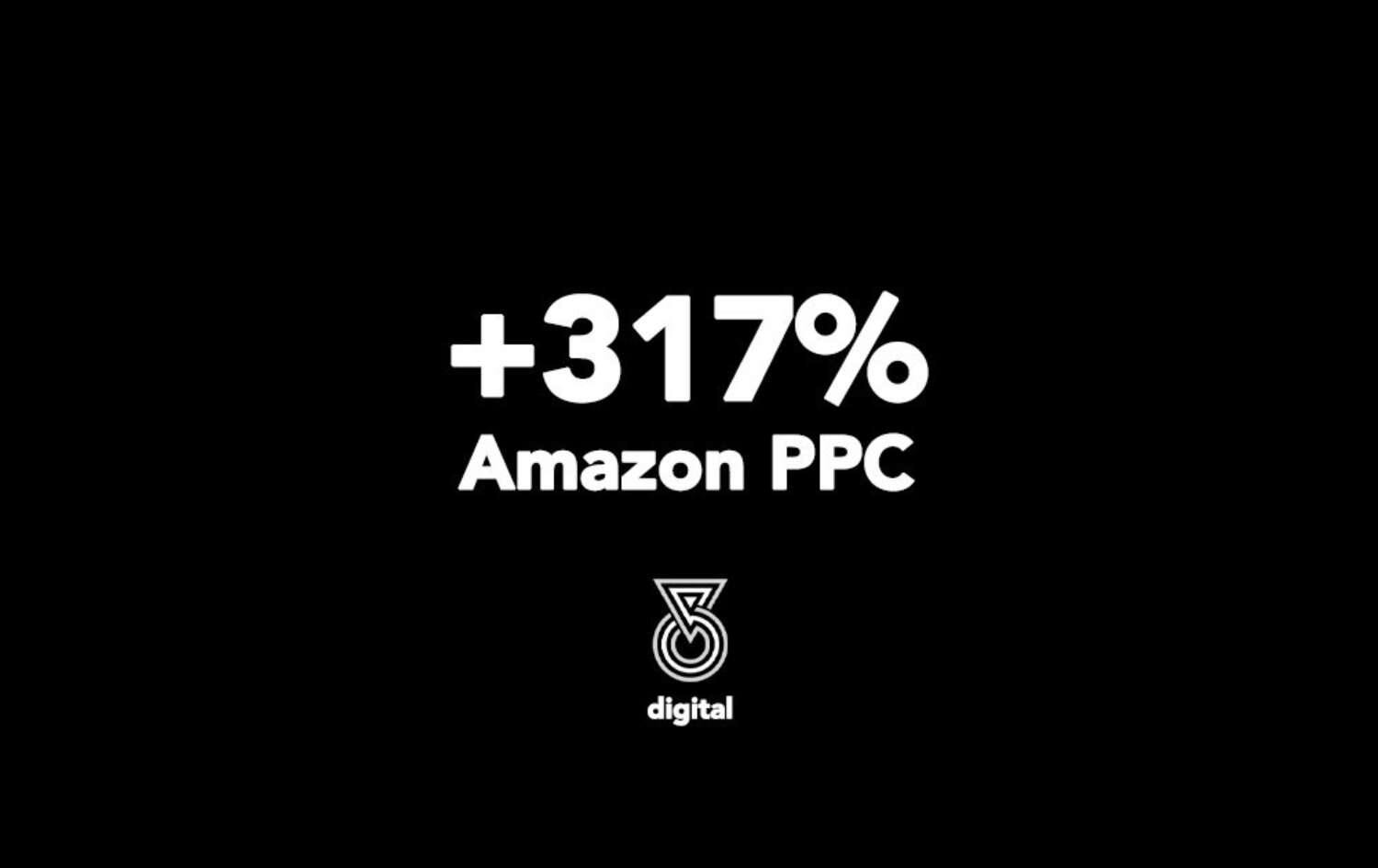
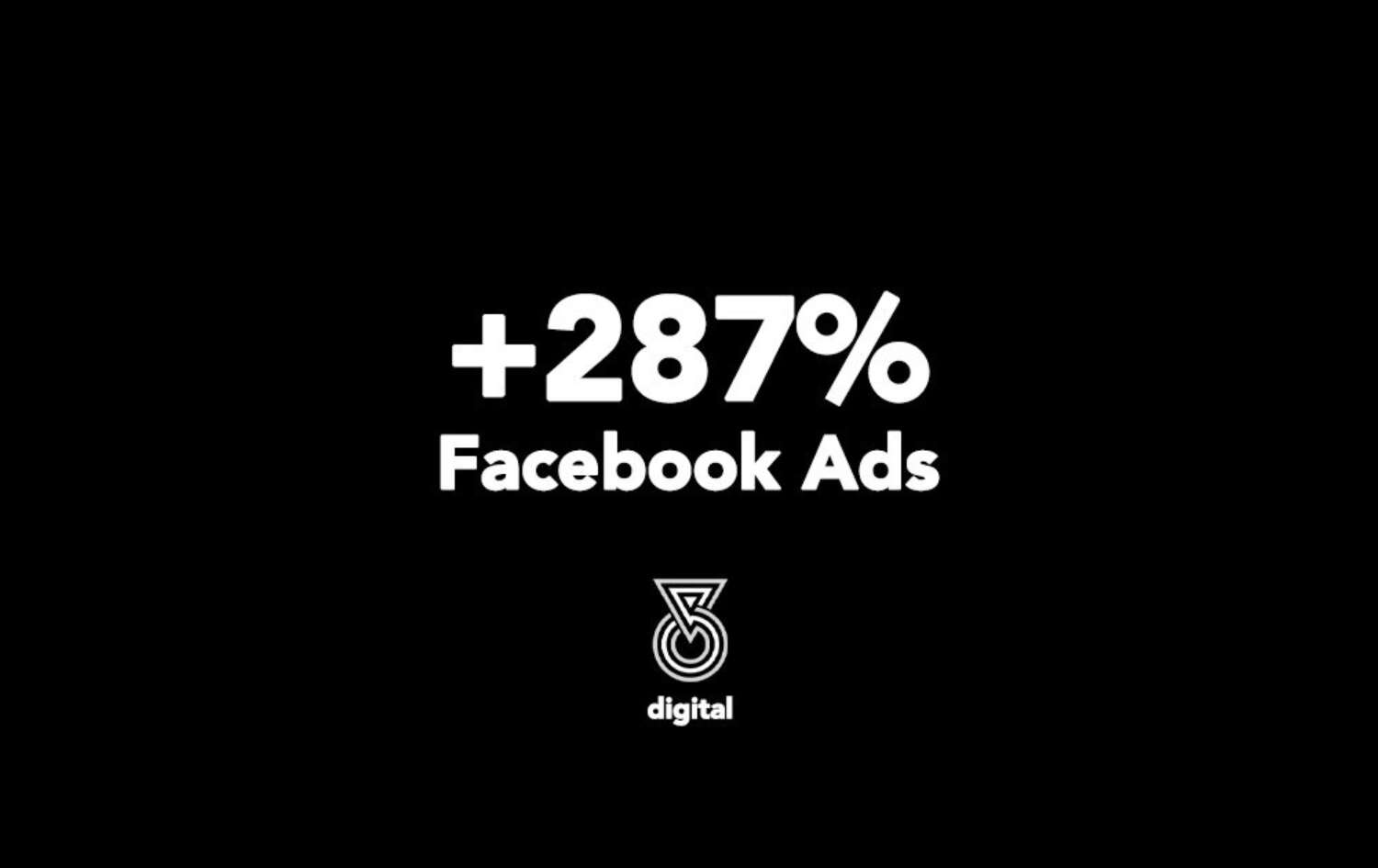
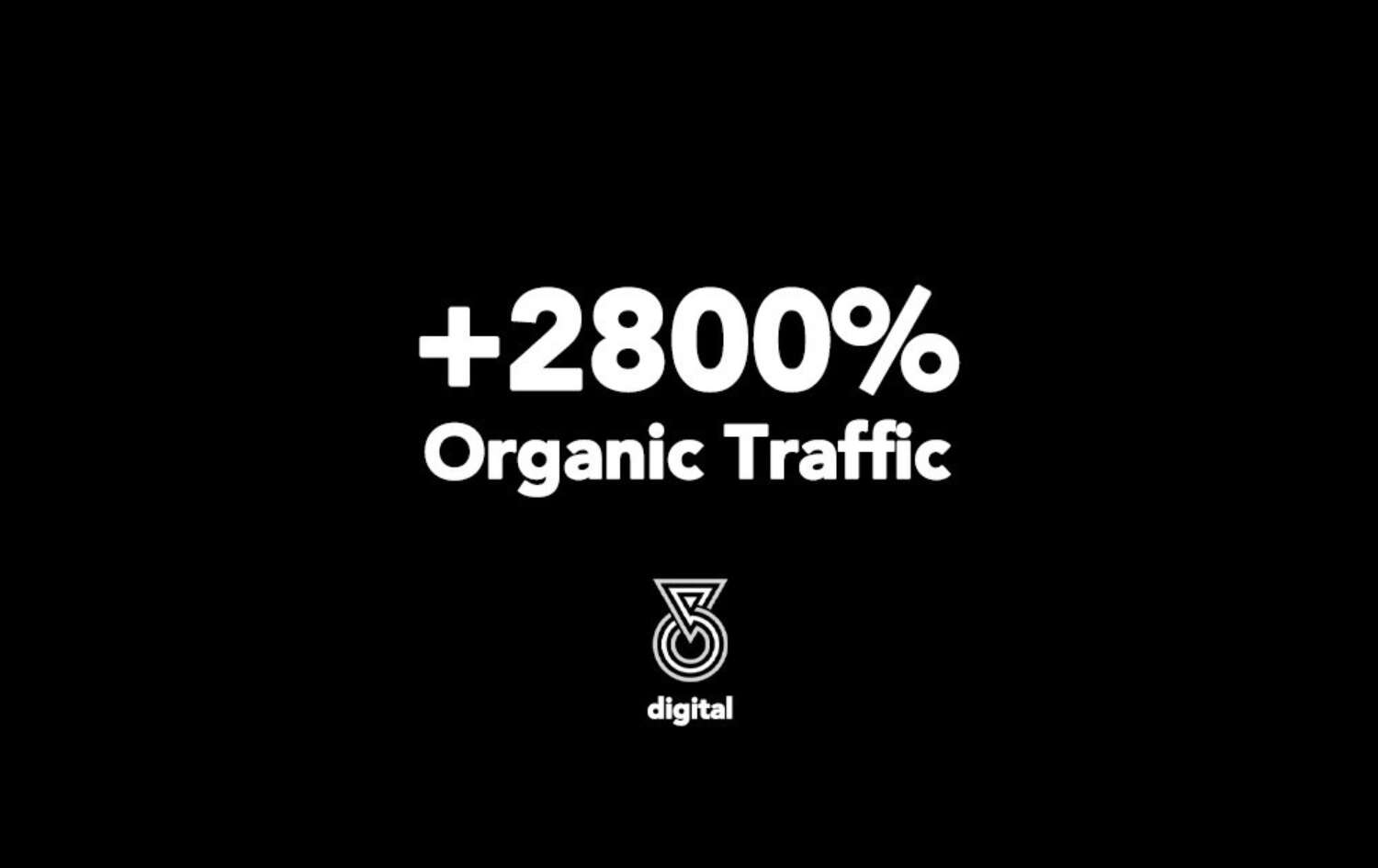
Decades of experience translate into the ability to adapt across industries. The results speak for themselves. The objective isn’t to chase activity for the sake of it. It’s to identify what’s creating friction, what’s wasting resources, what’s producing weak signals, and where clearer operational structure could improve performance over time.
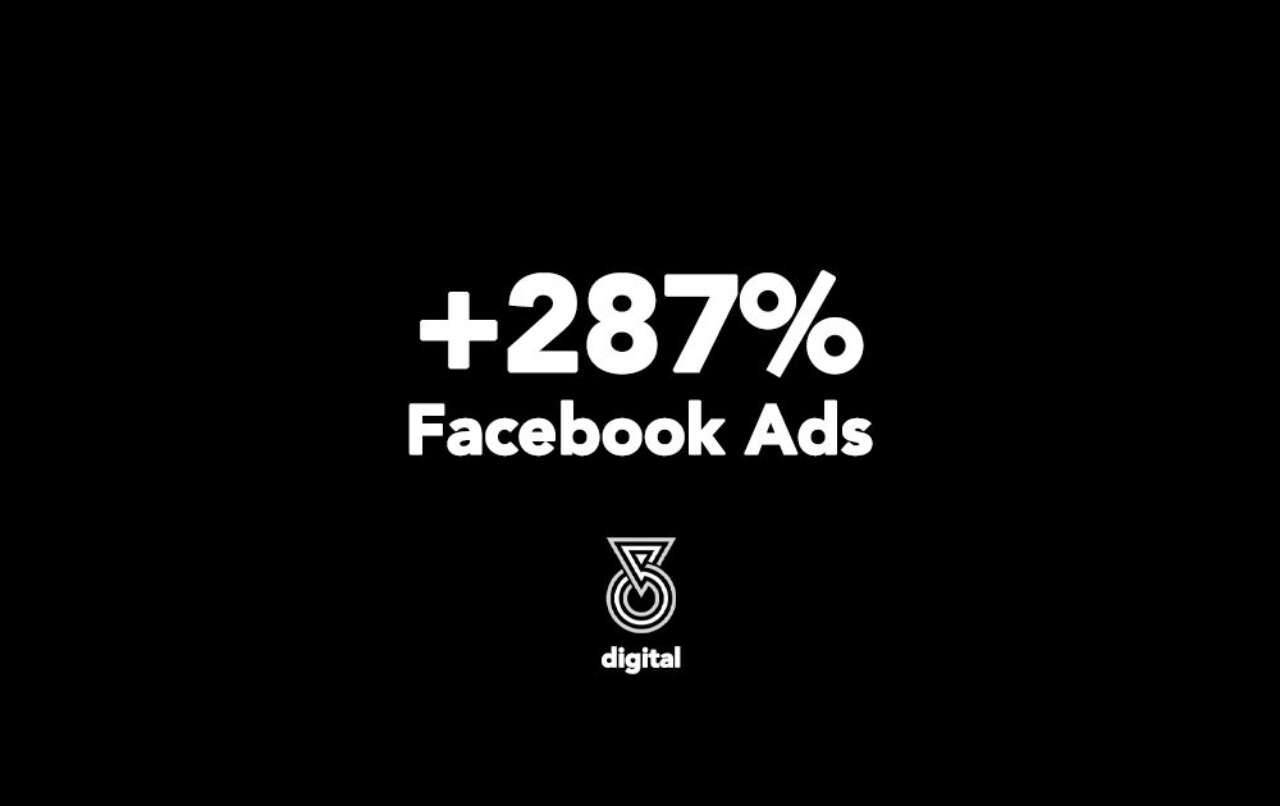
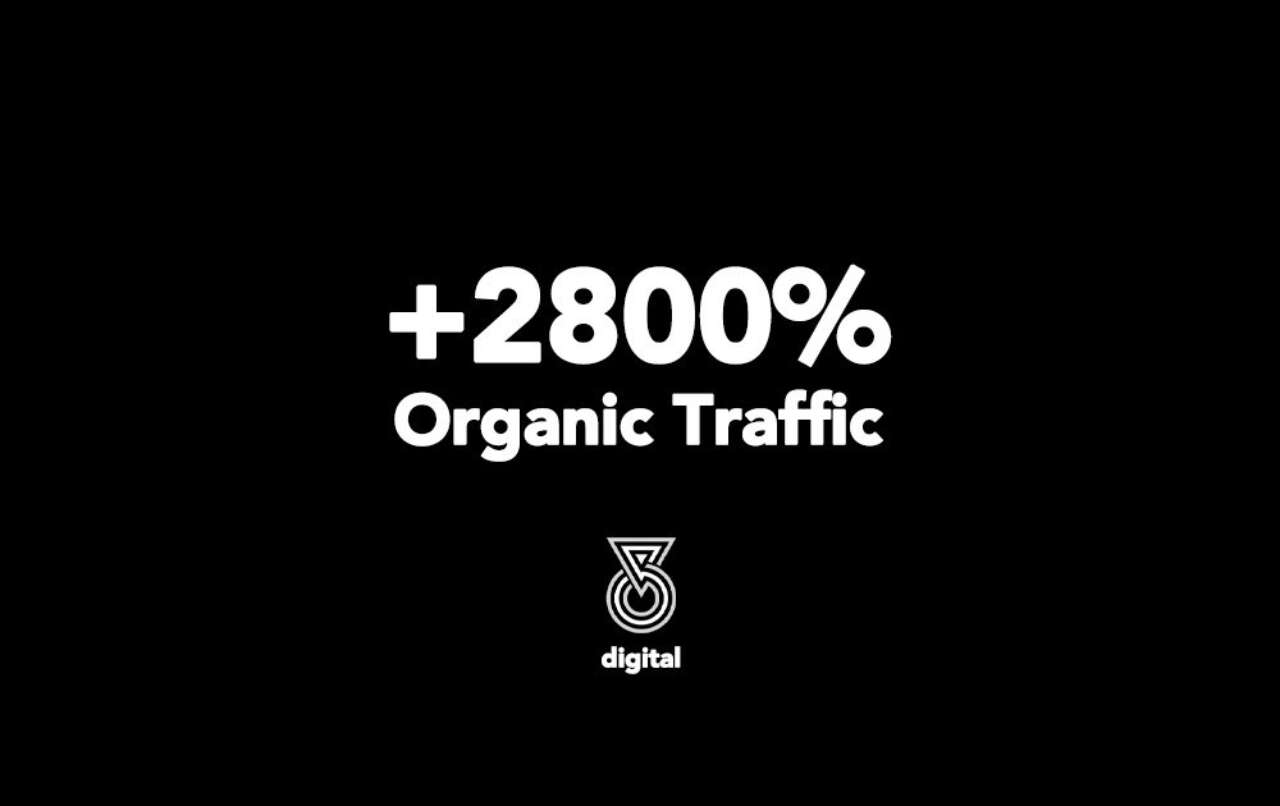
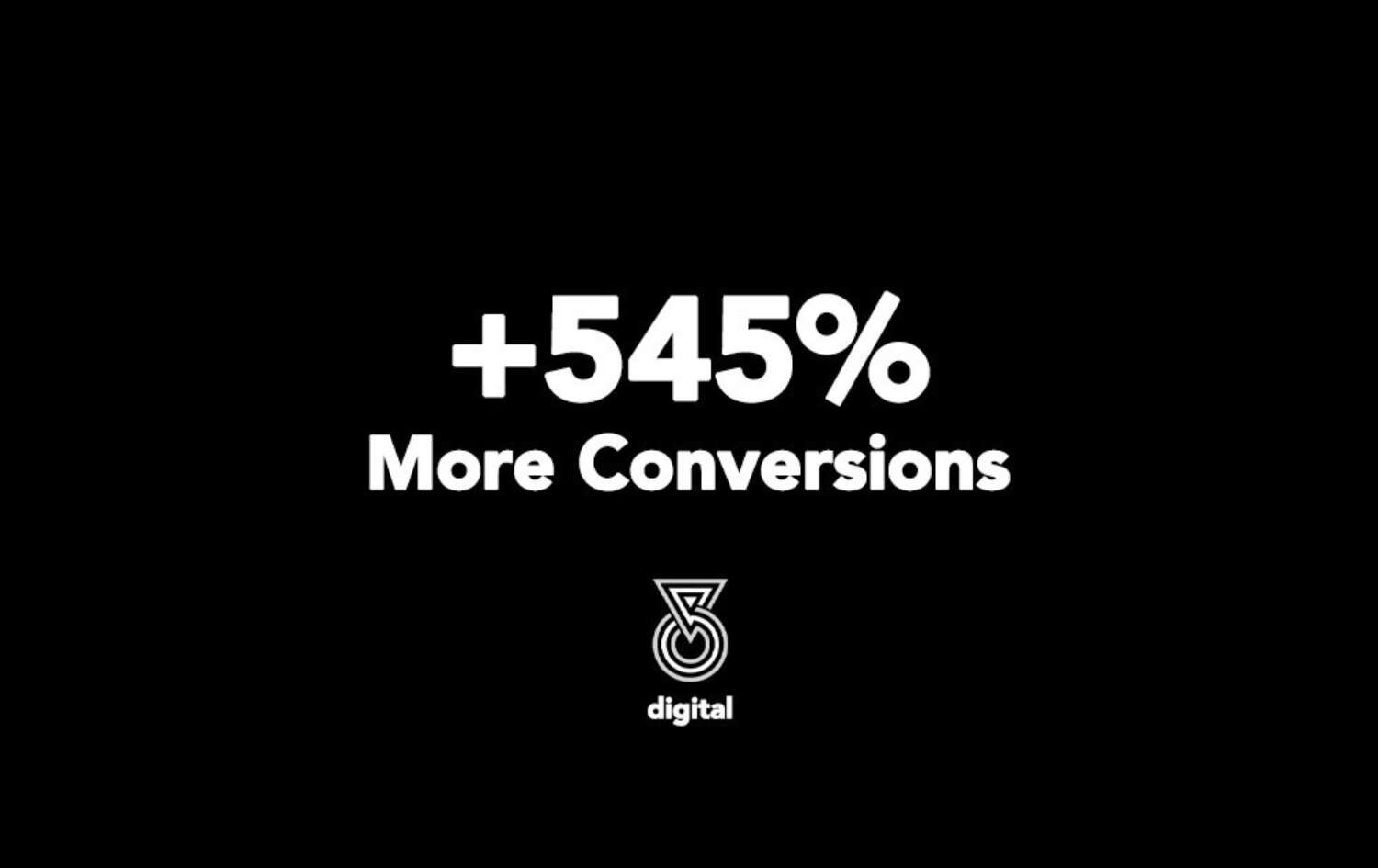
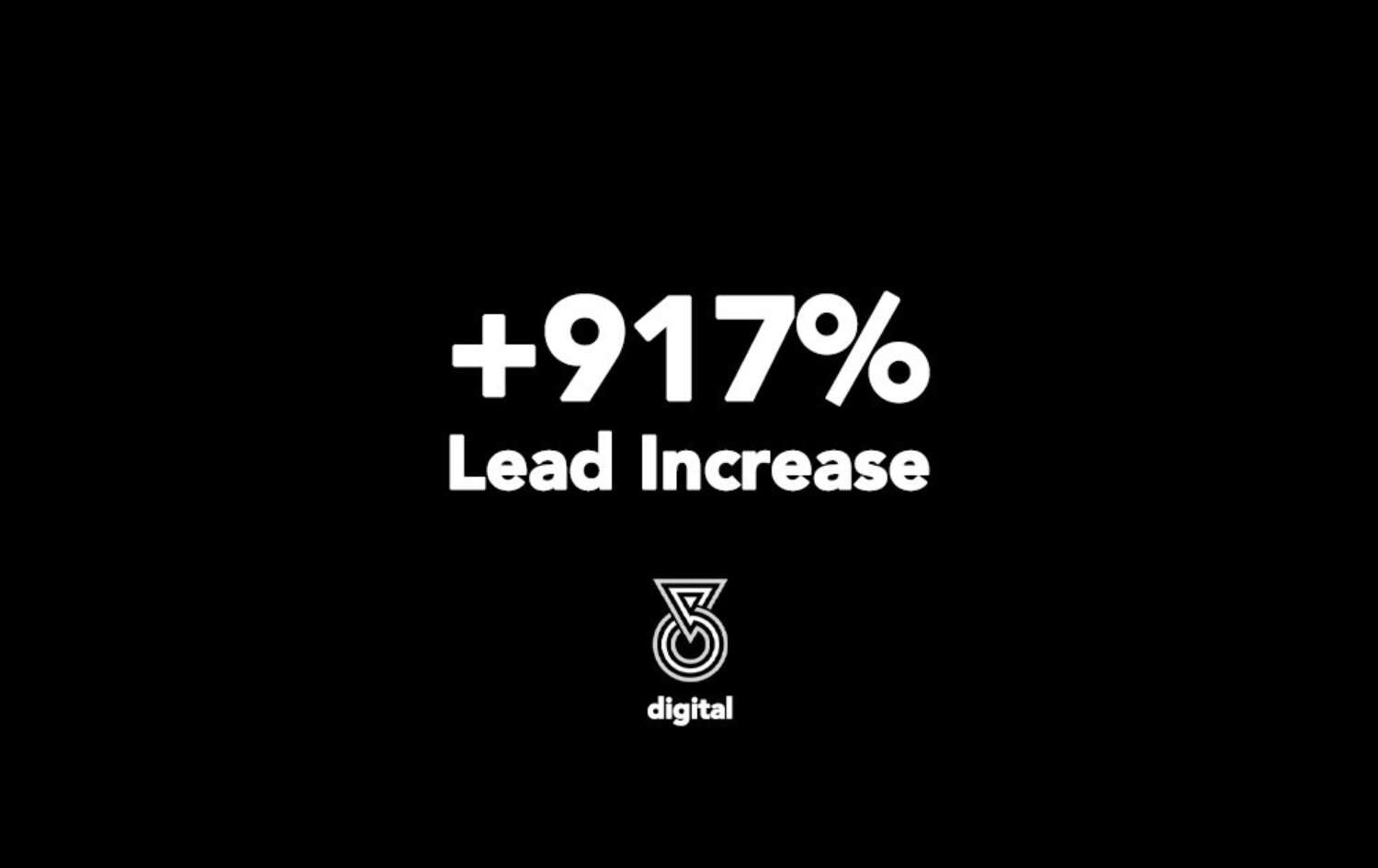















Systems built around your business, not ours.
For businesses moving forward, the next stage is a Benchmark + Blueprint engagement focused on understanding how systems, channels, reporting, lead flow, customer behaviour, and decision-making environments interact. The objective is not simply to identify isolated issues, but to understand the wider operational structure behind them, where friction exists, where opportunities may be missed, and where greater clarity could improve performance over time. Most engagements take between 21–30 days, although more fragmented or operationally complex environments may require additional investigation depending on visibility, scope, and system maturity. Remote and on-site engagements are both available. Starting from £4,575 + VAT depending on scope and complexity.
"Start with understanding. Credited towards implementation if you proceed."
FAQs
These frequently asked questions cover how we work, what we deliver, and what you can expect when working with V8 Digital.
Why should I work with V8 Digital?
Because the focus isn’t just on doing the work — it’s on making sure it works and that you understand it. Everything is built around your business, your goals, and how your marketing actually operates. You’re not handed a generic service or left in the dark. You get senior-level input, a structured approach, and a system you can rely on — not just activity.
What services do you offer?
We design and build complete digital marketing systems — from SEO and website structure to paid media, tracking, and data analysis. That includes consultancy, SEO CMS System, keyword research services, and paid media such as Meta ads, LinkedIn ads, and Google Ads. The focus isn’t on isolated services, but on how everything connects and performs together.
How can digital marketing benefit my business?
Done properly, it creates a predictable flow of qualified traffic and enquiries. Done poorly, it burns budget and creates noise. The difference is structure — knowing what to target, how to build around it, and how to measure what actually matters.
How do you measure the success of your campaigns?
Success is measured against real business outcomes — enquiries, conversions, and revenue — not surface-level metrics. Traffic, clicks, and engagement only matter if they lead somewhere. Everything is tracked so you can see what’s working, what’s not, and what needs to change.
Do you offer training or consulting services?
Yes. Part of the work often involves working closely with a small internal team to ensure the system is understood and can be managed properly. The goal isn’t dependency — it’s clarity and control.
Do you work with businesses of all sizes and industries?
We typically work with small to mid-sized businesses that want more structure, better visibility, and clearer decision-making. What matters isn’t size — it’s whether there’s a good fit and a clear opportunity to improve results.
Can you provide examples of successful campaigns?
Yes. Case studies and examples are available showing improvements in visibility, lead quality, and overall performance — including reducing wasted spend and improving return from existing activity.
How do you determine the right digital marketing strategy?
Everything starts with understanding how your business is searched for, how your audience behaves, and where the opportunities sit. From there, structure, channels, and priorities are defined so effort is focused on what actually drives results.
What is your approach to search engine optimisation (SEO)?
SEO starts with understanding real search demand — not assumptions. Keywords, structure, and intent are mapped first, then built into the website and wider marketing system. That includes technical SEO, internal linking, content structure, and SEO website redesign, all working together to improve visibility and conversions.
What is your pricing structure?
Pricing is based on the scope of work and the level of involvement required. Most engagements are project-based, focused on building and structuring a working system rather than ongoing retainers. Where needed, support can be provided afterwards, but the priority is to put something in place that works and can be managed with confidence.
Are there any long-term contracts or commitments required?
There are no long-term contracts. Work is structured around defined engagements with clear outcomes. If ongoing support is needed, it’s agreed based on what actually makes sense — not tied into fixed commitments.
What happens if I'm not satisfied with the results?
If something isn’t working, it’s addressed directly. The focus is always on improving performance based on real data and feedback, not just maintaining activity for the sake of it.