


Digital Marketing CRM Integration | Visibility Before Automation
CRM integration is easy. Getting it to work as intended is another thing.
If the objective is endless software management and layering more tools into fragmented environments, this probably isn’t the right fit. The focus here is rebuilding the operational environment properly, simplifying what no longer works, reconnecting fragmented systems, and leaving the business with a stronger structure than before. Most CRM environments eventually become little more than expensive Rolodexes. Not because the platforms themselves are bad, but because the visibility layer underneath them was never properly understood. Before anything gets integrated, rebuilt, or replaced, the operational environment itself needs to be understood properly. How leads move. Where attribution breaks. How handovers happen. What creates operational confusion internally. Without that context, CRM integration quickly becomes a very expensive illusion.
"Real systems, tested over time, built to perform and adapt as the landscape changes."
The Problem?
Low visibility. Weak signals. Endless dependency.
A lot of CRM environments fail quietly. The forms work. The automations trigger. The dashboards populate. But visibility into what is actually producing qualified business opportunities remains weak. Sometimes the attribution breaks between systems. Sometimes reporting layers contradict each other. Sometimes the CRM no longer reflects how the business actually operates day to day. Eventually SMBs become dependent on outside operators simply because nobody internally fully understands how the environment behaves anymore.

- 01.
- Visibility
01. Behavioural Visibility Breaks Fast
Most CRM environments slowly lose visibility over time. Additional software gets layered into the stack until nobody can confidently explain where opportunities originated, how leads behave, or which acquisition paths are actually producing revenue.
- 02.
- Reporting
02. Dashboards Create False Confidence
Most reporting environments show activity, not operational understanding. Different systems report different numbers. Different teams interpret metrics differently internally. At that point decision-making becomes reactive because nobody fully trusts the reporting layer anymore.
- 03.
- Lifecycle
03. Broken Handovers Kill Continuity
A lot of businesses lose momentum between systems. Marketing captures the lead. Sales receives partial context. Automation triggers at the wrong moment. Lifecycle continuity quietly breaks across disconnected operational layers.
- 04.
- Dependency
04. SaaS Dependency Creates Operational Drag
Most CRM environments become harder and more expensive to manage over time because critical features, behavioural visibility, and operational flexibility become increasingly locked behind monthly subscriptions. Eventually SMBs adapt themselves around the software instead of the software adapting around the business.

The solution?
A behavioural decision layer, not an expensive Rolodex.
Build something that eventually makes sense internally. CRM Integration works best when attribution, reporting, lifecycle tracking, automation, and behavioural visibility support each other properly. Not as disconnected systems. As one operational environment. Some SMBs choose to rewire existing CRM infrastructure already in place. Others decide to replace fragmented SaaS dependency with infrastructure they fully own and control internally. The objective is not endless platform management. It’s building something clearer, more stable, and easier to understand internally over time. Better attribution. Cleaner operational visibility. Stronger lifecycle continuity. Better reporting clarity. And less long-term dependency on outside operators.
- 01.
- Targeting
01. Better Signals. Better Decisions
Most operational confusion starts with weak feedback loops. Better visibility usually comes from simplifying the environment, reducing duplication, and improving continuity between systems rather than endlessly adding more dashboards.
- 02.
- Messaging
02. Clarity Beats Dashboard Volume
Most SMBs already have enough dashboards. The problem is operational clarity. Better reporting environments simplify decision-making instead of overwhelming teams with disconnected metrics nobody fully trusts.
- 03.
- Conversion
03. Simpler Journeys Create Better Continuity
Leads should move naturally between systems without losing context along the way. Better lifecycle continuity usually comes from reducing friction between acquisition, tracking, reporting, automation, and operational handovers rather than endlessly adding new workflows.
- 04.
- Ownership
04. Ownership Creates Operational Freedom
Owning the infrastructure changes the relationship completely. No feature gating. No escalating user pricing. No critical functionality locked behind another subscription tier. Just a behavioural intelligence environment built around how the business actually operates.
A CRM system built to identify intent and fast-forwards leads.
A CRM isn’t just a tool. It’s a system. When that system is built properly, leads are tracked, managed, and converted more effectively. Data becomes structured, visible, and actionable. The focus isn’t on adding complexity. It’s on creating clarity — so every lead is accounted for and every decision is informed.
lead scoring
custom workflows
signal interpretation
behavioural tracking
decision-layer implementation
attribution alignment
Your CRM integration timeline.
Destination? Results.
Discovery & Objectives
The first stage focuses on understanding how the business actually acquires, tracks, handles, and converts opportunities internally. Existing systems, reporting layers, lifecycle flows, and operational handovers are reviewed to identify where visibility currently breaks down.
Infrastructure Research & Strategy
CRM structures, automation layers, attribution paths, behavioural tracking, and reporting environments are analysed to understand how information currently moves between systems and where continuity gets lost.
Lifecycle & System Structure
Lifecycle stages, reporting logic, tracking environments, automation flows, and operational handovers are aligned around real operational behaviour rather than disconnected platform defaults.
Attribution & Visibility Alignment
Reporting, attribution paths, behavioural visibility, and lifecycle continuity are refined to ensure the operational environment starts producing clearer and more reliable feedback internally.
Refinement & Operational Stability
Operational complexity is reduced continuously. Weak reporting layers are simplified, fragmented workflows are tightened, and visibility is strengthened around the areas producing the clearest operational signals.
Transfer & Operational Clarity
Once stronger operational patterns start emerging, the focus shifts towards clarity, stability, and internal understanding. Reporting becomes simpler. Decision-making becomes easier. The objective is not endless outside management, but leaving behind a stronger operational structure the business can build on internally moving forward.
"better signals, better decisions, stronger results."
What You Get?
A behavioural decision layer for lead prioritisation.
Most CRM problems don’t start inside the CRM itself. Weak visibility. Disconnected tracking. Generic automation. Poor signal quality. Fragmented behavioural data feeding noise back into the system. The objective is not building a larger contact database, but creating a clearer operational environment SMBs can actually understand, interpret, and improve over time without permanent outside dependency.
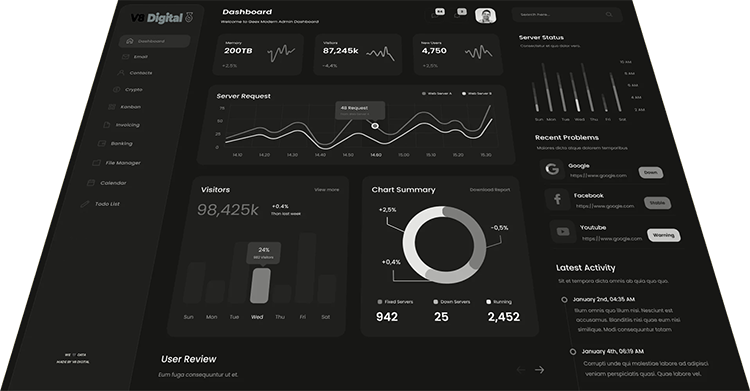
"Less noise. Better signals."
Looking beyond the channel.
CRM systems can absolutely improve operational visibility in isolation. But over time, operational performance is often limited by wider structural problems — fragmented reporting, weak attribution, disconnected systems, inconsistent lifecycle tracking, and poor visibility into what actually generates qualified business opportunities. At some point, software alone starts reaching diminishing returns. This is usually where the wider operational environment underneath the CRM needs attention.

Behavioural visibility without long-term dependency for SMBs.
SMBs eventually become dependent on outside operators simply because fragmented systems, weak signal quality, disconnected tracking, and poor operational visibility make meaningful interpretation increasingly difficult internally over time. The objective here is not building a larger CRM database, but creating a clearer behavioural environment SMBs can actually understand, prioritise, and improve without permanent outside dependency.
"The end of Retained Model dependency."
Reduce dependency
- less outside reliance
Prioritise Leads
- focus on better signals
Improve Interpretation
- clearer behavioural insight
Reduce noise
- less operational clutter
Why V8 Digital?
Systems that work,
not services that run.
The focus isn’t on running campaigns. It’s on putting a structured system in place — one that connects SEO, paid media, tracking, reporting, and data, and making sure it actually performs. Not just activity, not just reports, but something built around how the business actually generates enquiries and revenue. That system is built, implemented, and explained. So you’re not reliant on a third party to run your marketing, and you’re not left guessing what’s happening behind the scenes. The objective isn’t to create dependency, but to create something stable, measurable, and understandable — whether managed internally or with support. Work is grounded in over 20 years of hands-on experience across multiple digital environments, with decisions shaped by context, operational understanding, and real-world behaviour rather than trends or generic playbooks. And if the fit isn’t right, that’s made clear early, because quality always beats quantity.
"The identified pattern."
1. Tracking is incomplete.
2. Attribution is unreliable.
3. Decisions are made with partial information.
4. Results suffer.
5. The result is treated as a marketing problem.
6. The infrastructure remains unchanged.
7. Rinse and repeat.
Borne out of necessity and frustration.
For years I did what everyone else did. I used HubSpot. Salesforce. Pipedrive. Monday. ClickUp. Zapier and more connectors than I care to remember. Each solved part of the problem. None solved the whole thing. The bigger frustration wasn’t the software itself. It was the compromises that came with it. Limited customisation. Restricted access. Rising subscription costs. Critical business functions living inside systems I didn’t control. At the same time, I kept seeing the same problem with clients. They wanted better results, but the underlying infrastructure wasn’t there. Tracking was incomplete. Attribution was unreliable. Data lived in multiple places. Decisions were being made with partial information. When I explained that results would inevitably suffer, it was often dismissed as an excuse rather than recognised as an infrastructure problem. The problem was visibility. Eventually I stopped looking for another tool and, just like I had done many times before, started building around the problem instead. What began as a way to solve my own frustrations evolved into a behavioural intelligence and operational visibility system built specifically for the way SMBs actually operate. Only later did I realise I wasn’t the only one with the problem.

RBarr
Digital Builder

Felipe Rizzo
Operations Support
"If your business is built on fragmented systems, you don’t need another strategy; you need better architecture."
The workflow.
Most businesses don’t suffer from a lack of data. They suffer from too much noise and too little clarity. The first objective is not to build systems. It’s to understand what the signals are actually saying.
02. Identify Patterns
Look for recurring behaviours, bottlenecks, opportunities, and signals that reveal how the business and its customers actually operate.
03. Build A Behavioural Model
Create a working understanding of how prospects search, compare, hesitate, engage, and ultimately make decisions.
04. Test Against Reality
Validate assumptions using real-world data, customer behaviour, operational workflows, and observable outcomes.
05. Design Around Behaviour
Align systems, reporting, tracking, workflows, and processes around what is actually happening rather than what is assumed to be happening.
06. Implement The Minimum Infrastructure Required
Deploy only what is necessary to improve visibility, reduce friction, simplify operations, and support better decision-making moving forward.
Infrastructure first,
results will follow.
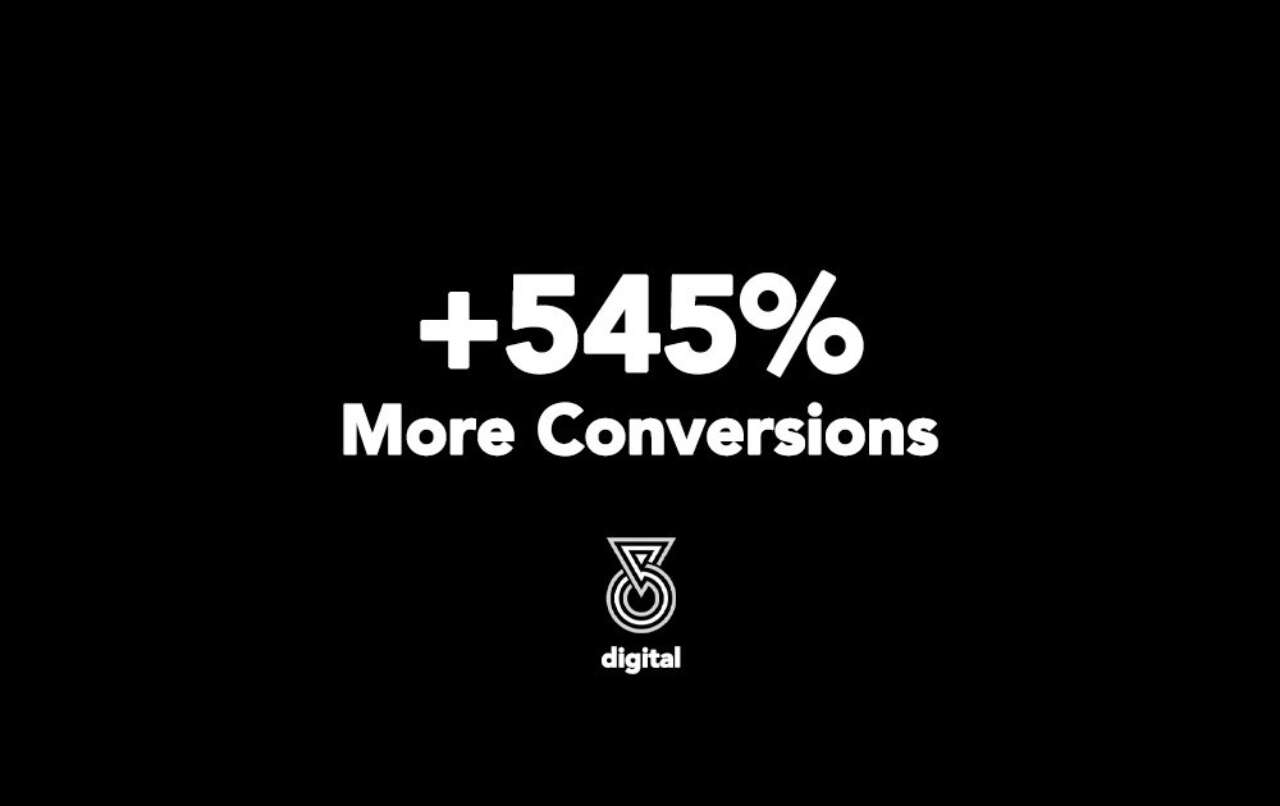
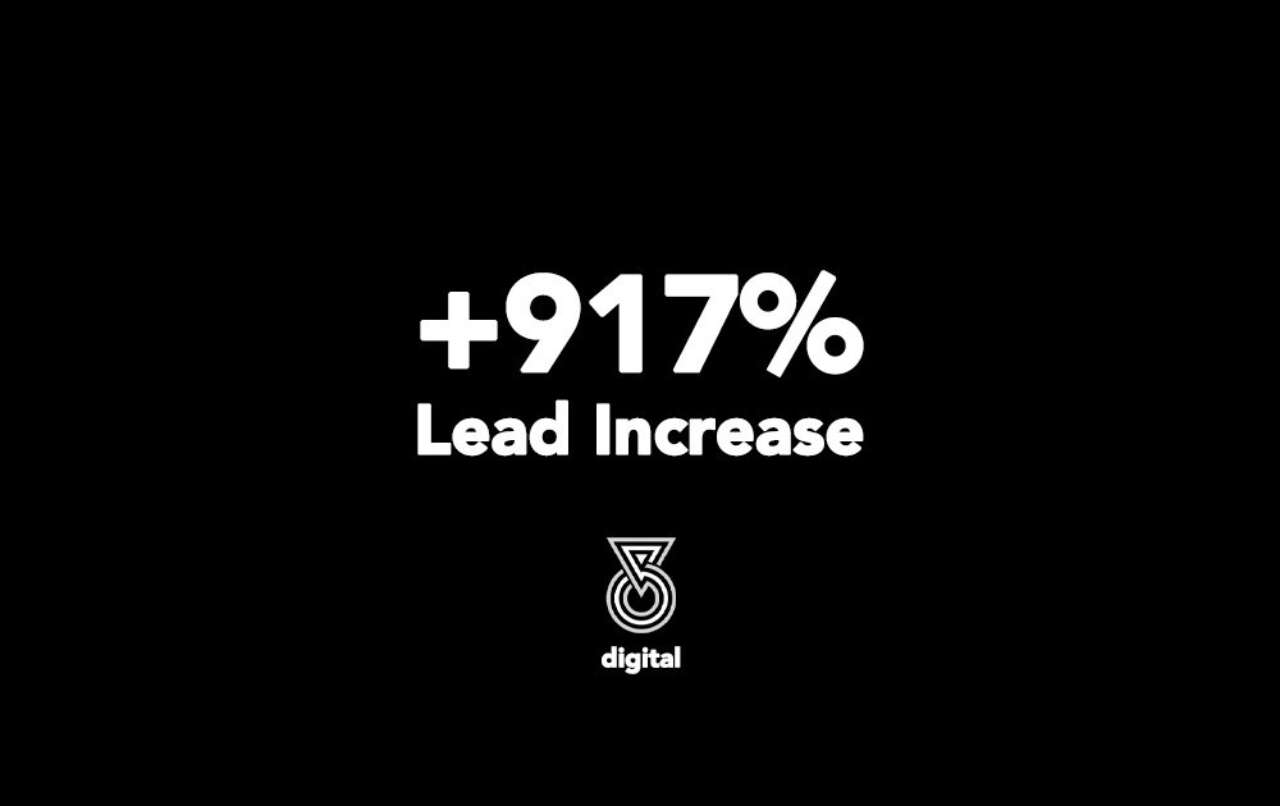
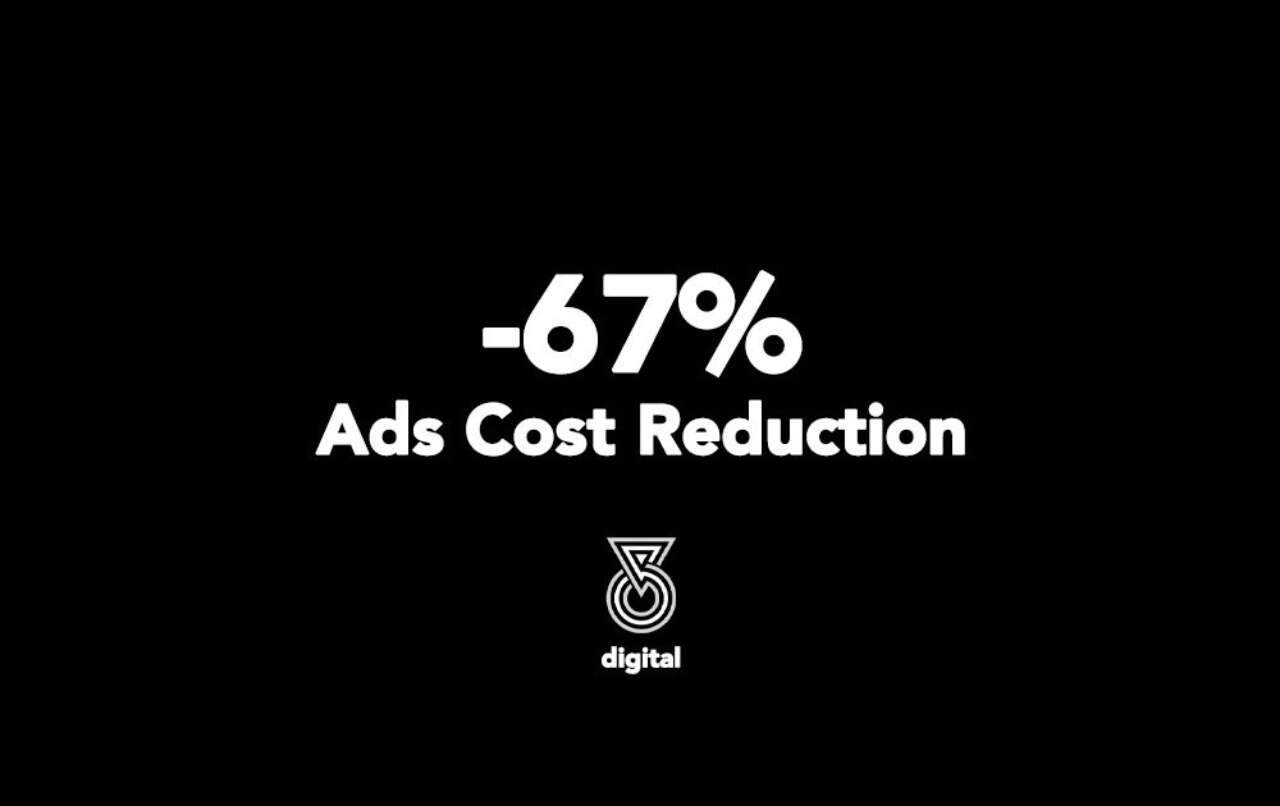
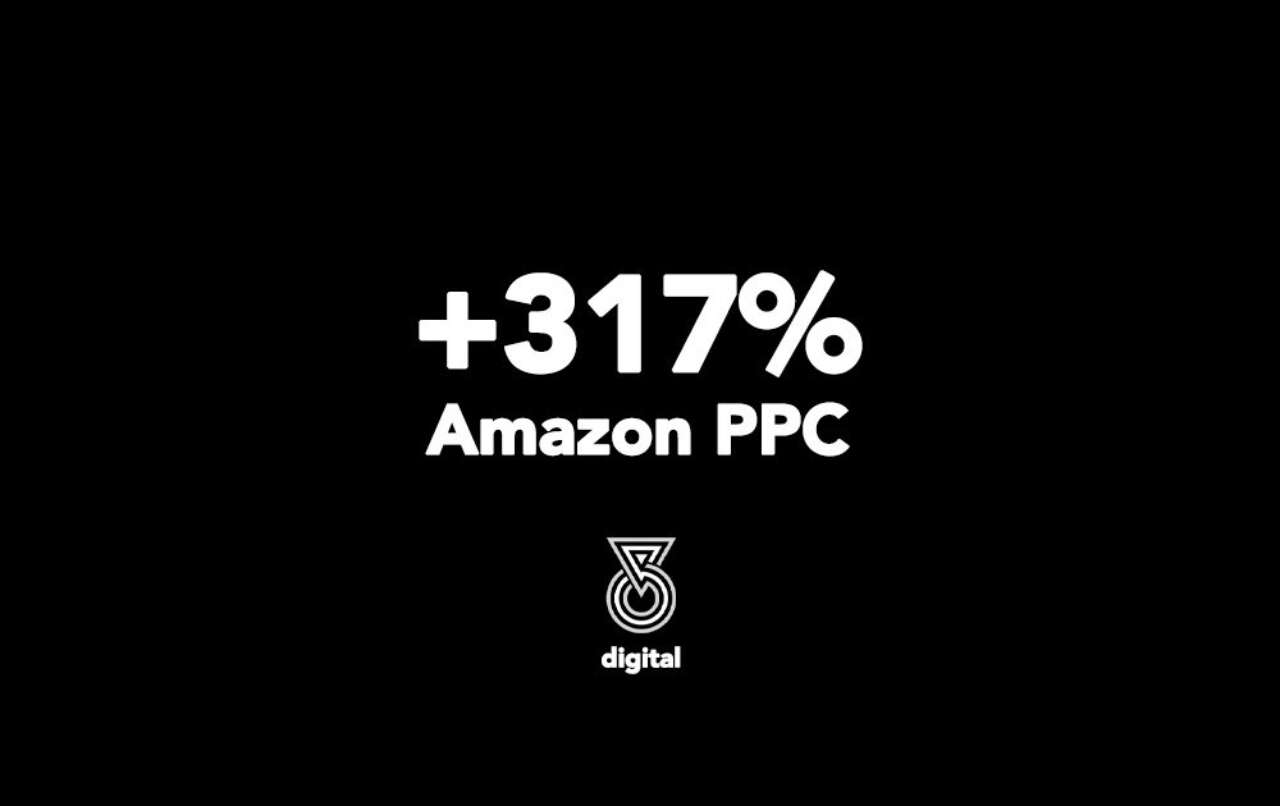
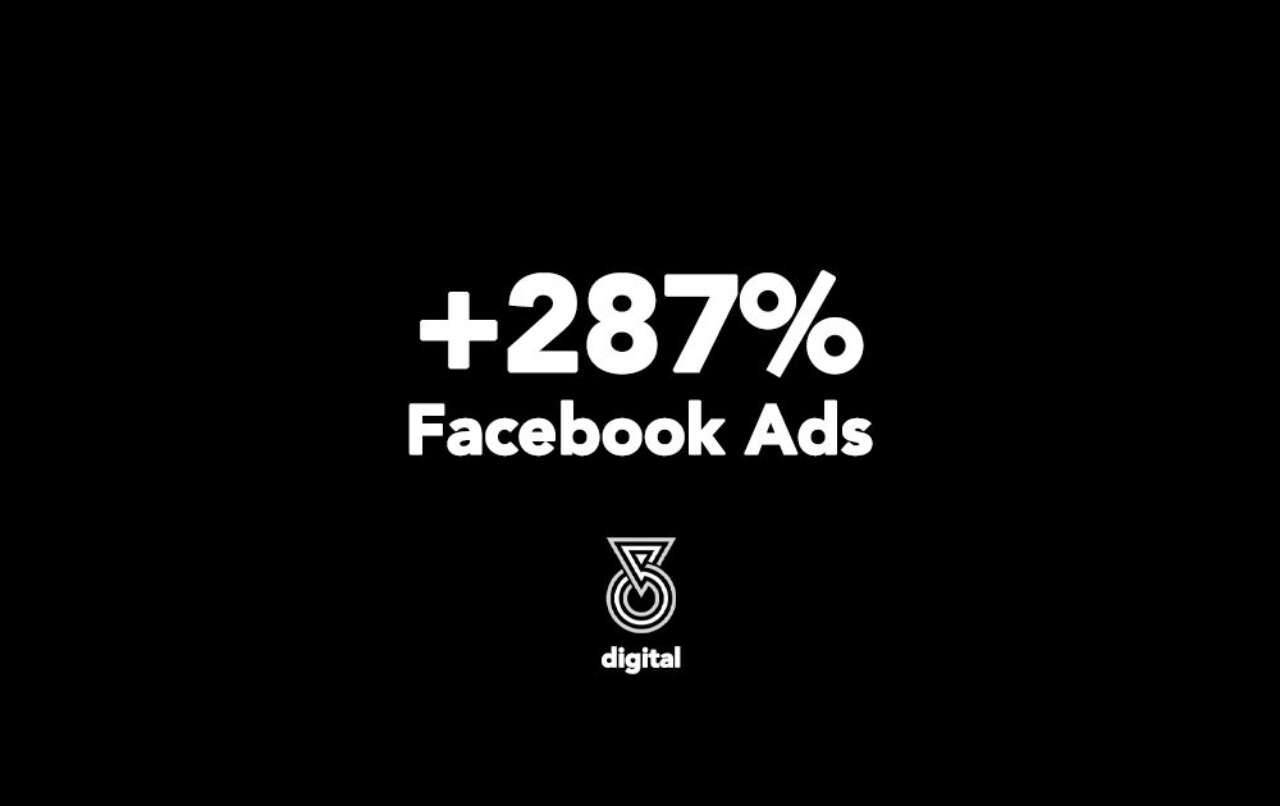
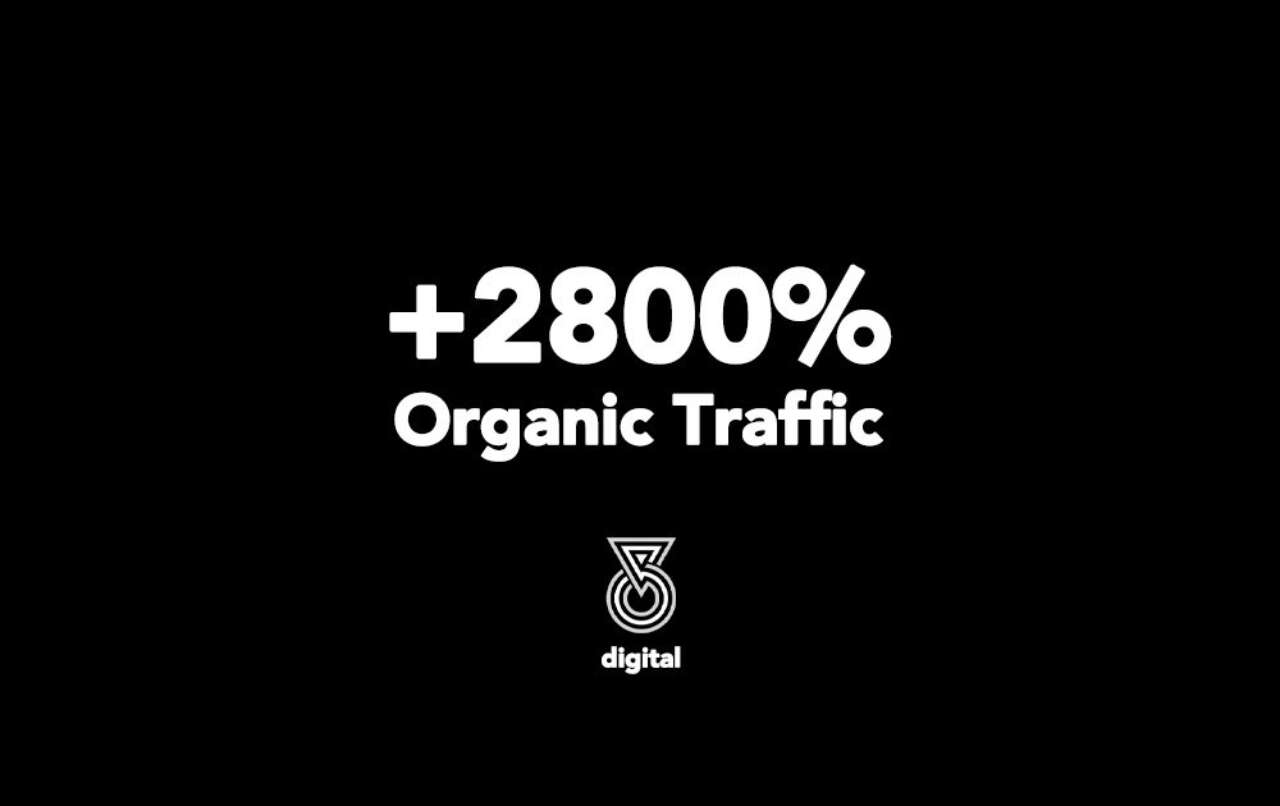
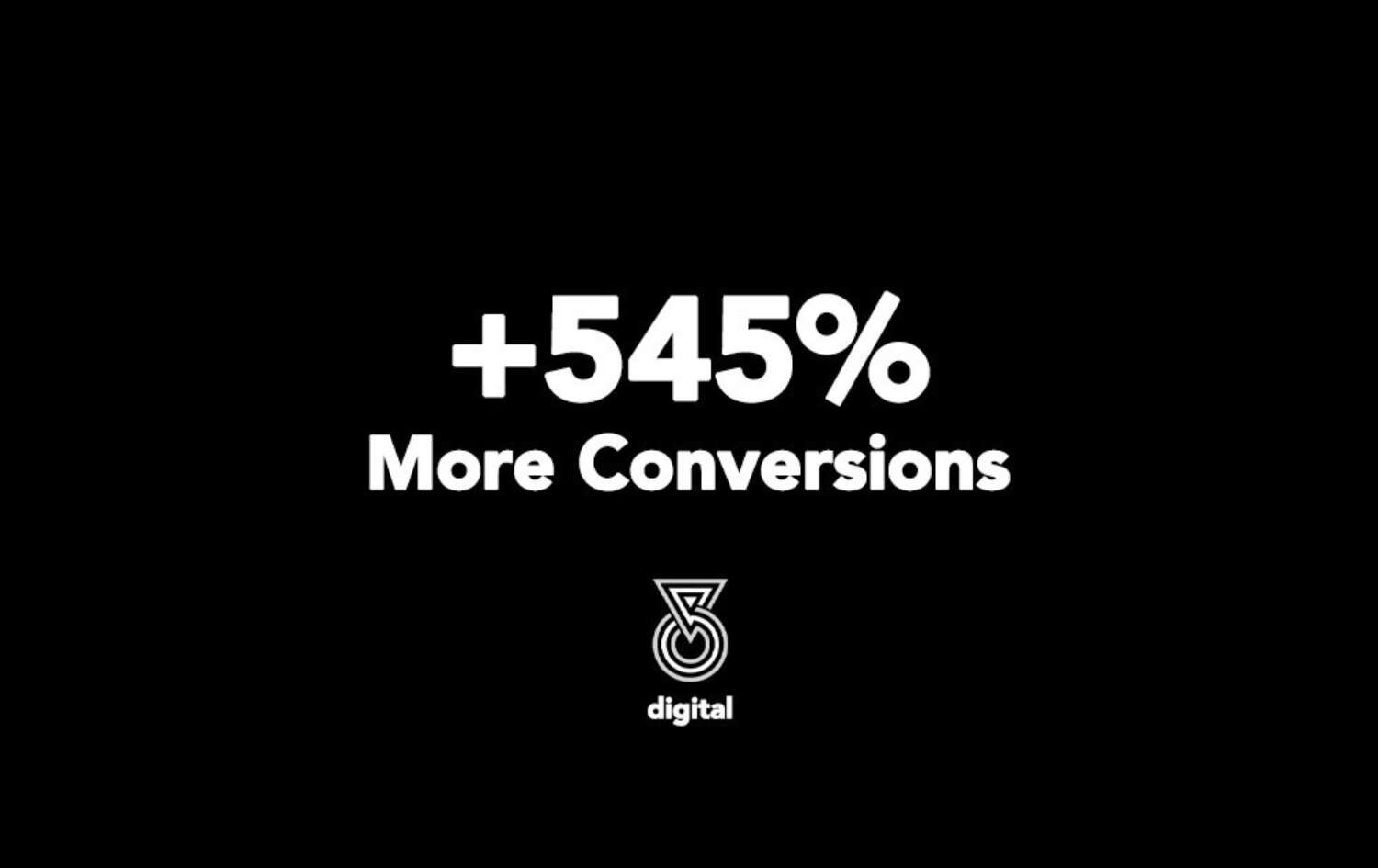
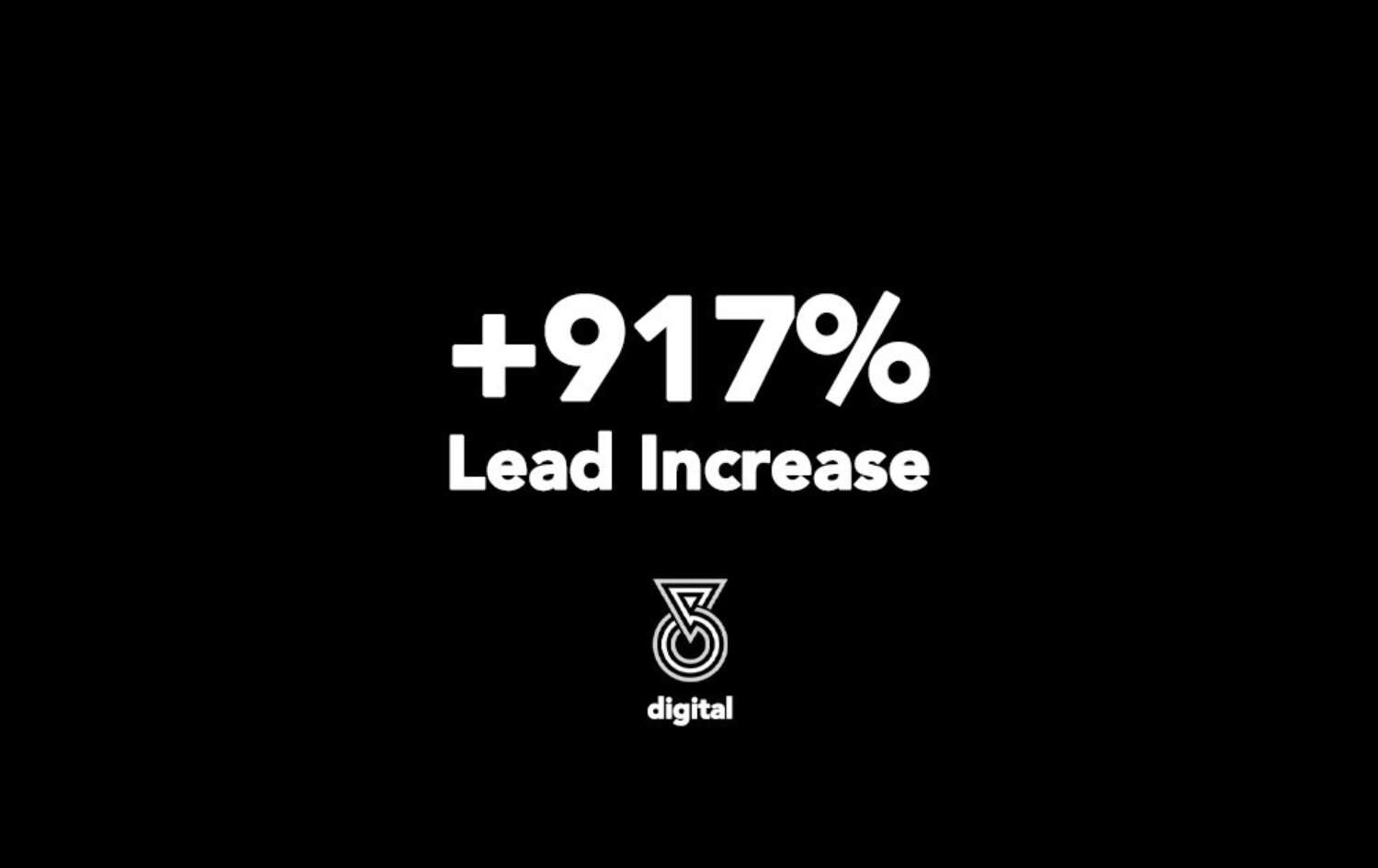
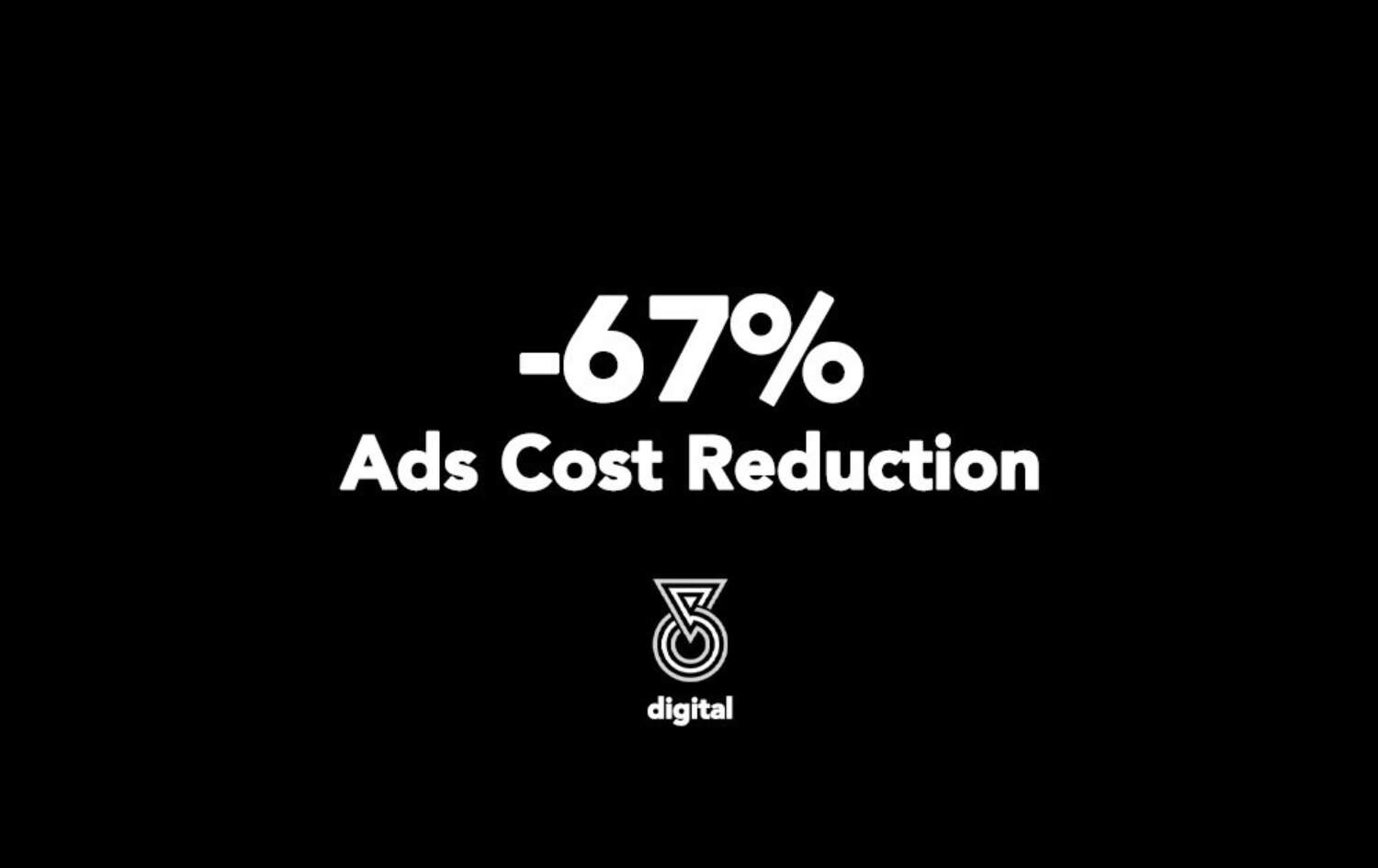
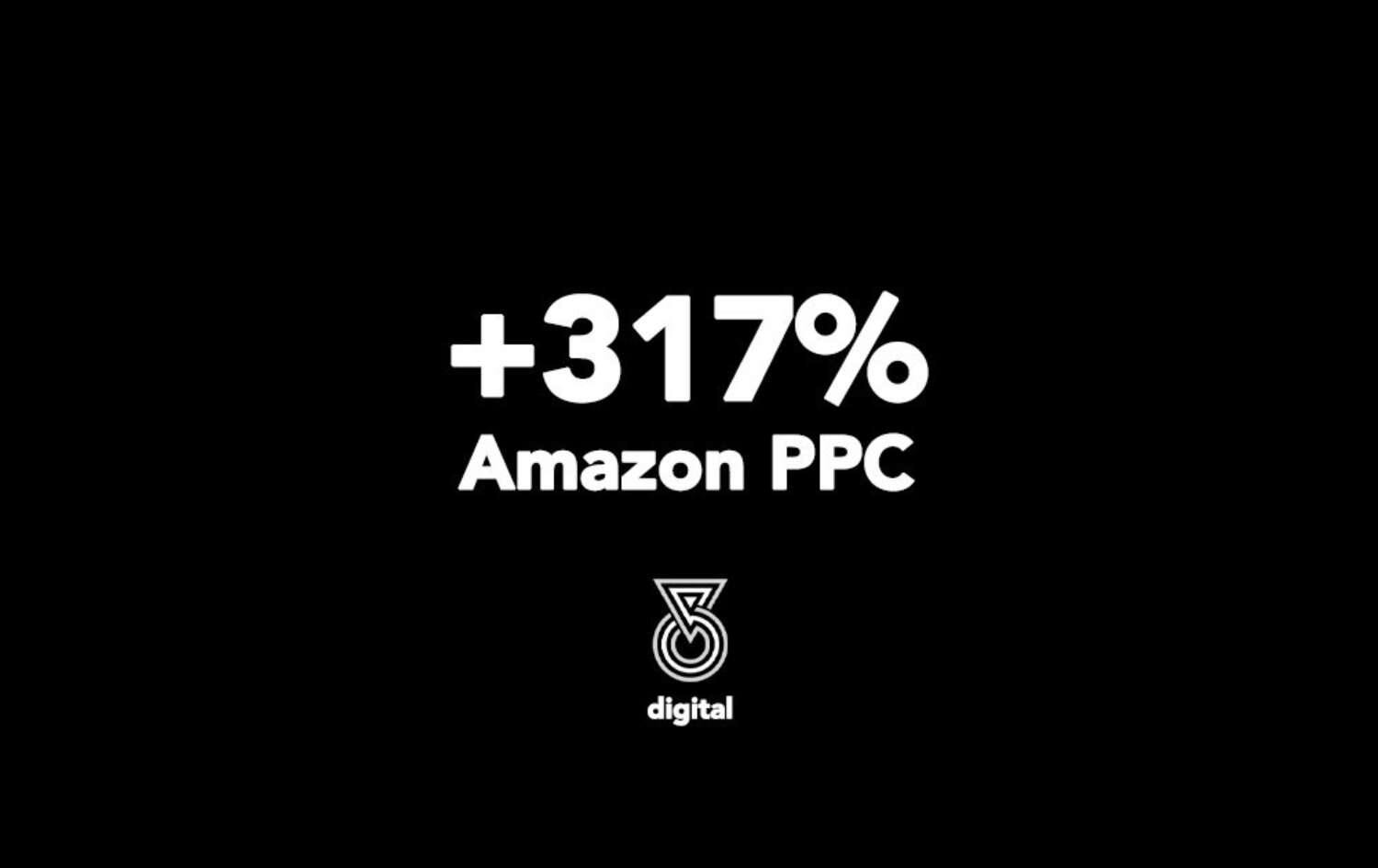
Decades of experience translate into the ability to adapt across industries. The results speak for themselves. The objective isn’t to chase activity for the sake of it. It’s to identify what’s creating friction, what’s wasting resources, what’s producing weak signals, and where clearer operational structure could improve performance over time.
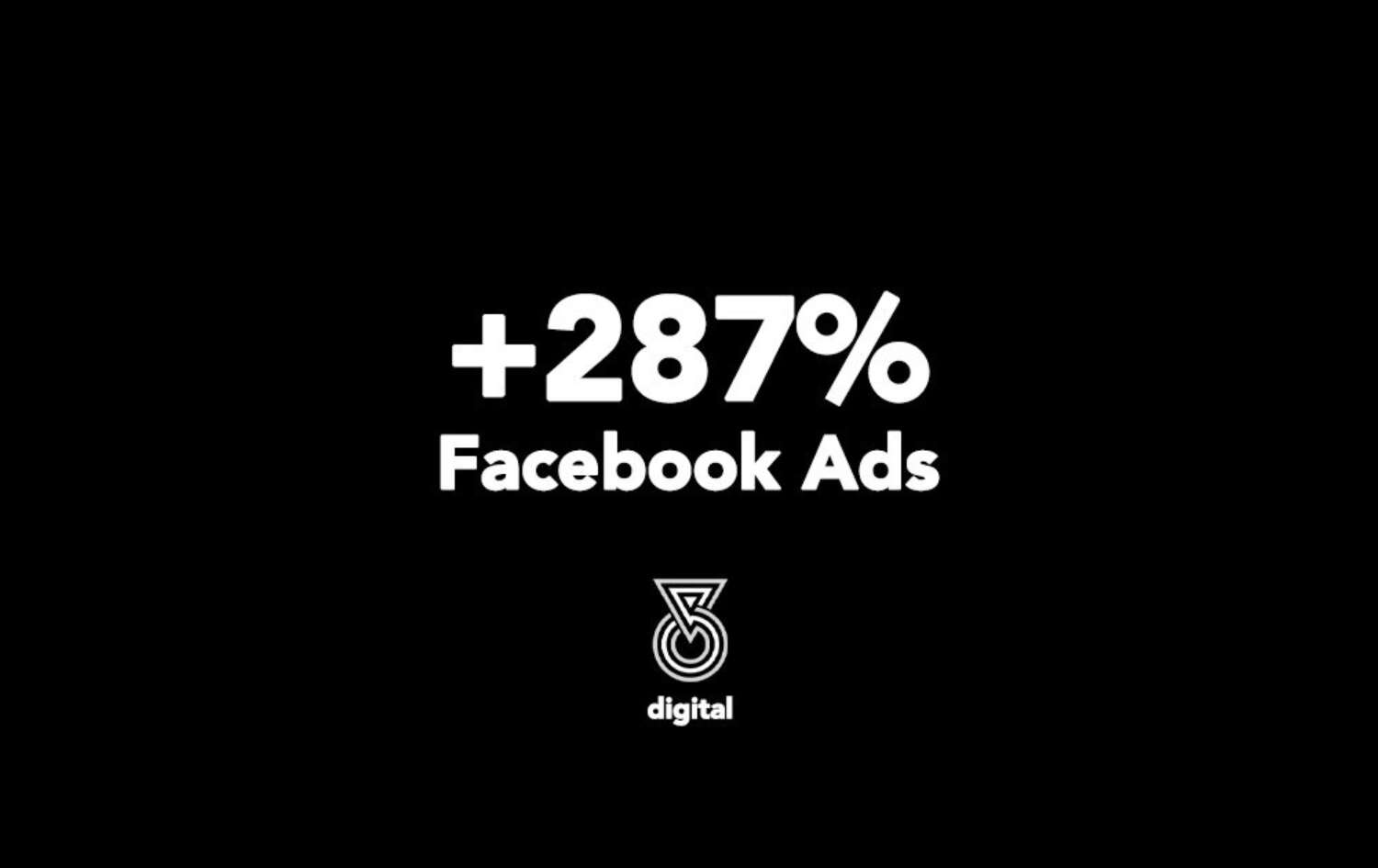
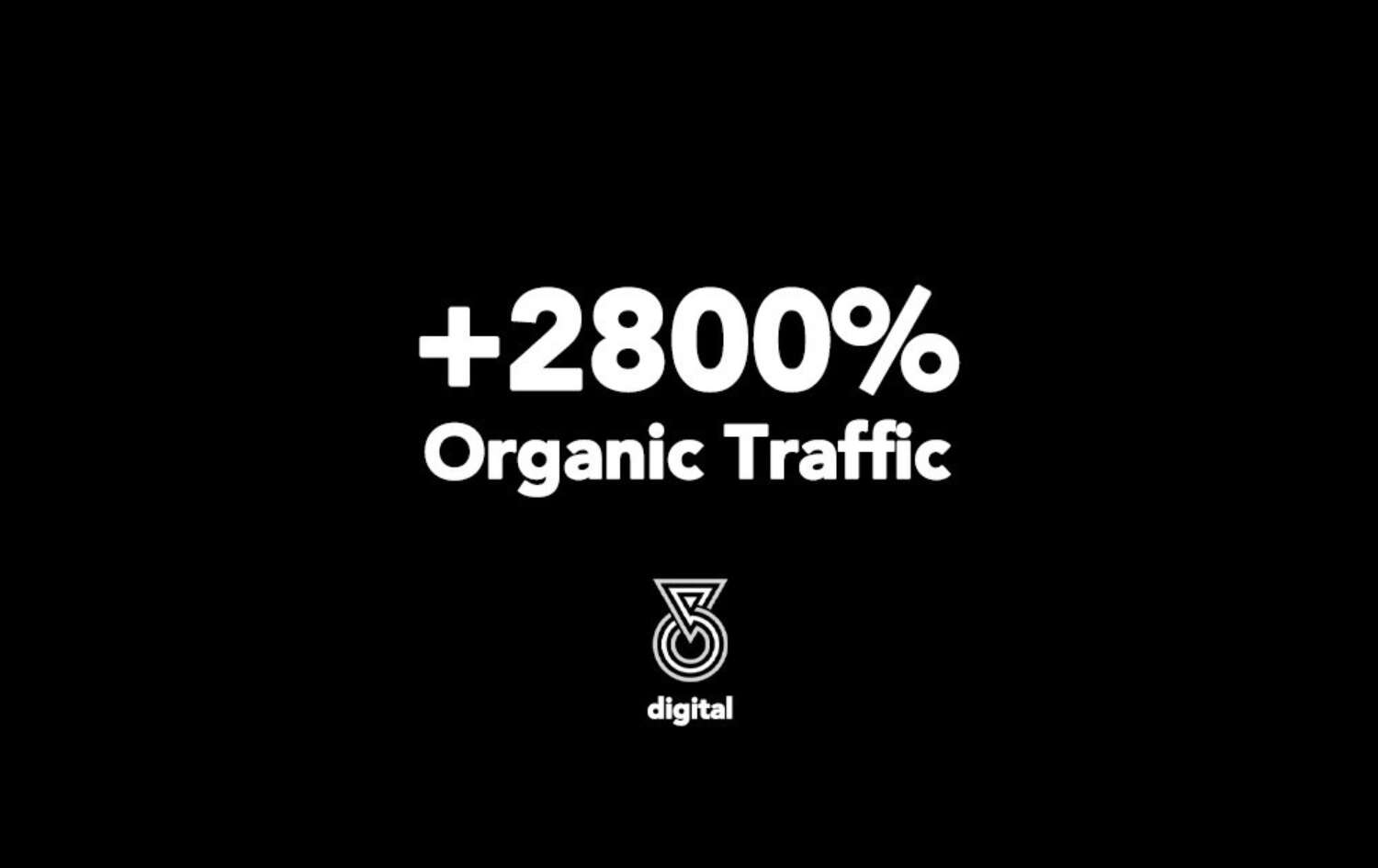















Behavioural decision layers built around signals, intent, and lead prioritisation.
A structured engagement focused on improving signal quality, behavioural visibility, lifecycle understanding, and operational decision-making over time. The objective is not building a larger contact database or creating permanent outside dependency, but leaving SMBs with a clearer operational environment they can understand, interpret, and improve internally long after the engagement ends.




FROM + VAT
FAQs
These frequently asked questions cover how we work, what we deliver, and what you can expect when working with V8 Digital.
Why should I work with V8 Digital?
Because the focus isn’t just on doing the work — it’s on making sure it works and that you understand it. Everything is built around your business, your goals, and how your marketing actually operates. You’re not handed a generic service or left in the dark. You get senior-level input, a structured approach, and a system you can rely on — not just activity.
What services do you offer?
We design and build complete digital marketing systems — from SEO and website structure to paid media, tracking, and data analysis. That includes consultancy, SEO CMS System, keyword research services, and paid media such as Meta ads, LinkedIn ads, and Google Ads. The focus isn’t on isolated services, but on how everything connects and performs together.
How can digital marketing benefit my business?
Done properly, it creates a predictable flow of qualified traffic and enquiries. Done poorly, it burns budget and creates noise. The difference is structure — knowing what to target, how to build around it, and how to measure what actually matters.
How do you measure the success of your campaigns?
Success is measured against real business outcomes — enquiries, conversions, and revenue — not surface-level metrics. Traffic, clicks, and engagement only matter if they lead somewhere. Everything is tracked so you can see what’s working, what’s not, and what needs to change.
Do you offer training or consulting services?
Yes. Part of the work often involves working closely with a small internal team to ensure the system is understood and can be managed properly. The goal isn’t dependency — it’s clarity and control.
Do you work with businesses of all sizes and industries?
We typically work with small to mid-sized businesses that want more structure, better visibility, and clearer decision-making. What matters isn’t size — it’s whether there’s a good fit and a clear opportunity to improve results.
Can you provide examples of successful campaigns?
Yes. Case studies and examples are available showing improvements in visibility, lead quality, and overall performance — including reducing wasted spend and improving return from existing activity.
How do you determine the right digital marketing strategy?
Everything starts with understanding how your business is searched for, how your audience behaves, and where the opportunities sit. From there, structure, channels, and priorities are defined so effort is focused on what actually drives results.
What is your approach to search engine optimisation (SEO)?
SEO starts with understanding real search demand — not assumptions. Keywords, structure, and intent are mapped first, then built into the website and wider marketing system. That includes technical SEO, internal linking, content structure, and SEO website redesign, all working together to improve visibility and conversions.
What is your pricing structure?
Pricing is based on the scope of work and the level of involvement required. Most engagements are project-based, focused on building and structuring a working system rather than ongoing retainers. Where needed, support can be provided afterwards, but the priority is to put something in place that works and can be managed with confidence.
Are there any long-term contracts or commitments required?
There are no long-term contracts. Work is structured around defined engagements with clear outcomes. If ongoing support is needed, it’s agreed based on what actually makes sense — not tied into fixed commitments.
What happens if I'm not satisfied with the results?
If something isn’t working, it’s addressed directly. The focus is always on improving performance based on real data and feedback, not just maintaining activity for the sake of it.