


Meta Ads Agency | Signal Quality Over Vanity Metrics
No, I don’t manage campaigns. I build the infrastructure and get out of your away.
If you’re looking for somebody to endlessly tweak ads every week, I’m probably not a good fit. If you’re looking for somebody to build something properly, explain the logic behind it, and leave you with a stronger acquisition environment than before, then you might be in the right place. For starters, I won’t trust the platform signals blindly. Not the ROAS. Not the attribution. Not the dashboards. First, I need to understand how the business actually converts attention into intent. How clearly the offer is positioned. What separates it from the noise. How users behave after the click. Without that context, Meta becomes a very expensive slot machine.
"Real systems, tested over time, built to perform and adapt as the landscape changes."
- 03.
- Deploy
The Problem?
Weak signals. Expensive noise. Endless dependency.
A lot of Meta campaigns fail slowly. The campaigns generate clicks. Engagement goes up. Metrics look active. But visibility into what is actually producing commercially relevant opportunities remains weak. Sometimes the creatives attract the wrong people. Sometimes the offer collapses after the click. Sometimes attribution becomes so fragmented internally that nobody fully trusts the numbers anymore. Eventually SMBs become dependent on outside management simply because the environment itself becomes difficult to interpret internally over time.
- 01.
- Targeting
01. Cheap Reach is Expensive
Meta makes it very easy to reach large audiences quickly. That does not mean the audiences are commercially useful. Weak audience quality usually creates weak platform feedback over time, and once signal quality deteriorates, campaigns become increasingly difficult to stabilise.
- 02.
- Messaging
02. Generic Dies Fast
Meta exposes weak creative immediately. Most ads fail because they blend into the feed within seconds. If the positioning lacks clarity, relevance, or interruption value, attention disappears before intent even has a chance to form.
- 03.
- Conversion
03. Clicks Mean Very Little Alone
Clicks means nothing if you are attracting tje wrong people. I can do with 10 good clicks than with 1000 bad ones. A lot of Meta campaigns create activity without creating meaningful results. The ad creates curiosity, but maybe the landing page destroys momentum. Maybe the transition feels disconnected. Maybe the wrong people are clicking. Most conversion problems are clarity problems long before they become technical ones.
- 04.
- Optimisation
04. Weak Attribution Creates Guesswork
Good optimisation depends on reliable feedback. Weak tracking, fragmented reporting, and poor attribution create environments where decisions become reactive instead of informed. At that point campaigns become difficult to trust internally over time.
The solution?
An infrastructure built around intent, not ads.
Build something that eventually makes sense internally. Meta Ads work best when creatives, targeting, conversion flow, and tracking support each other properly. Not as disconnected tasks. As one acquisition environment. The objective is not endless ad management. It’s building something clearer, more stable, and easier to understand internally over time. Better audience quality. Clearer positioning. Cleaner conversion flow. Stronger visibility into what is actually working. And less long-term dependency on outside operators.
- 01.
- Targeting
01. Right Audiences, Better Results
Broad audiences usually produce broad outcomes. Better Meta campaigns come from removing weak audience segments, improving behavioural alignment, and narrowing visibility around users who are actually capable of becoming commercially relevant opportunities.
- 02.
- Messaging
02. Clarity Interrupts Better Than Noise
Most Meta Ads try too hard to force attention. The result is usually forgettable creative built around volume instead of relevance. Clear communication tends to outperform inflated messaging and generic performance marketing formulas over time.
- 03.
- Conversion
03. Simpler Journeys Reduce Drop-Off
Users rarely convert immediately. Better conversion flow usually comes from reducing friction between the creative, the message, the landing page, and the next step rather than forcing intent too early.
- 04.
- Optimisation
04. Better Signals Improve Stability
Campaigns become easier to refine once the environment starts producing clearer signals. Better tracking, stronger attribution, cleaner visibility, and more reliable feedback usually create better decisions than endless reactive adjustments.
Learn through exposure, observation, and experience.
I’m not interested in running workshops, selling courses, or teaching generic theory. The transfer happens while real work is being done. You watch creatives, targeting, structure, messaging, tracking, behavioural flow, and operational decisions unfold in real time while understanding the reasoning behind them. The objective is not abstract theory, but helping SMBs understand how stronger acquisition environments are actually built, refined, and improved in practice. Say goodbye to artificial retainer models. You are welcome.
Build Campaigns
Evaluate Intent
Refine Messaging
Diagnose Positioning
Interpret Signals
Sequence Decisions
Your Meta Ads timeline.
Destination? Results.
Discovery & Objectives
The business, offer structure, acquisition goals, and existing conversion environment are reviewed to understand what Meta is actually being expected to achieve internally. Weak visibility, broken feedback loops, and poor attribution patterns are identified early.
Audience Research & Strategy
Audience behaviour, acquisition intent, positioning, and creative direction are analysed to understand who should actually be seeing the campaigns and what type of messaging is capable of interrupting attention meaningfully.
Creative & Campaign Structure
Campaign messaging, creative direction, audience structure, and behavioural sequencing are aligned around real acquisition intent rather than generic engagement metrics or vanity activity.
Conversion Path & Tracking Alignment
Landing pages, attribution paths, messaging continuity, behavioural tracking, and conversion visibility are aligned to ensure the transition from impression to enquiry feels consistent, measurable, and easier to interpret internally.
Refinement & Signal Control
Campaign performance is reviewed continuously. Weak audience segments are reduced, creatives are refined, attribution visibility improves, and budget is redirected towards the areas producing the clearest acquisition signals.
Transfer & Operational Clarity
Once stronger behavioural patterns start emerging, the focus shifts towards clarity, stability, and internal understanding. Reporting becomes simpler. Decision-making becomes easier. The objective is not endless outside management, but leaving behind a stronger acquisition structure the business can build on internally moving forward.
"better signals, better decisions, stronger results."
What You Get?
A stronger acquisition system easy to understand.
Running Meta Ads is easier than you think. Get the basics right and the rest will follow. Weak positioning. Generic creatives. Poor visibility. Disconnected attribution. Campaigns feeding weak signals back into the platform will hurt you more than you think. The objective is not endless ad management. It’s building a clearer acquisition structure SMBs can actually understand, measure, and improve over time without permanent outside dependency.
"Less noise. Better signals."
Looking beyond the channel.
Meta Ads can absolutely improve visibility and acquisition performance in isolation. But over time, campaign stability is often limited by wider operational problems — fragmented reporting, weak attribution, disconnected CRM environments, inconsistent tracking, and poor visibility into what actually generates commercially relevant opportunities. At some point, tactical optimisation alone starts reaching diminishing returns. This is usually where the wider operational environment underneath the campaigns needs attention.

Knowledge transfer without dependency for SMBs.
SMBs eventually become dependent on outside operators simply because nobody internally fully understands how the environment actually works anymore. The objective here is not just improving campaigns in isolation, but helping the business build stronger foundations, clearer visibility, and better operational understanding internally over time.
"The end of Retained Model dependency."
Reduce dependency
- build internal confidence
Improve Visibility
- better operational understanding
Strengthen Foundations
- clearer internal understanding
Transfer Knowledge
- knowledge that stays internal
Why V8 Digital?
Systems that work,
not services that run.
The focus isn’t on running campaigns. It’s on putting a structured system in place — one that connects SEO, paid media, tracking, reporting, and data, and making sure it actually performs. Not just activity, not just reports, but something built around how the business actually generates enquiries and revenue. That system is built, implemented, and explained. So you’re not reliant on a third party to run your marketing, and you’re not left guessing what’s happening behind the scenes. The objective isn’t to create dependency, but to create something stable, measurable, and understandable — whether managed internally or with support. Work is grounded in over 20 years of hands-on experience across multiple digital environments, with decisions shaped by context, operational understanding, and real-world behaviour rather than trends or generic playbooks. And if the fit isn’t right, that’s made clear early, because quality always beats quantity.
"The identified pattern."
1. Tracking is incomplete.
2. Attribution is unreliable.
3. Decisions are made with partial information.
4. Results suffer.
5. The result is treated as a marketing problem.
6. The infrastructure remains unchanged.
7. Rinse and repeat.
Borne out of necessity and frustration.
For years I did what everyone else did. I used HubSpot. Salesforce. Pipedrive. Monday. ClickUp. Zapier and more connectors than I care to remember. Each solved part of the problem. None solved the whole thing. The bigger frustration wasn’t the software itself. It was the compromises that came with it. Limited customisation. Restricted access. Rising subscription costs. Critical business functions living inside systems I didn’t control. At the same time, I kept seeing the same problem with clients. They wanted better results, but the underlying infrastructure wasn’t there. Tracking was incomplete. Attribution was unreliable. Data lived in multiple places. Decisions were being made with partial information. When I explained that results would inevitably suffer, it was often dismissed as an excuse rather than recognised as an infrastructure problem. The problem was visibility. Eventually I stopped looking for another tool and, just like I had done many times before, started building around the problem instead. What began as a way to solve my own frustrations evolved into a behavioural intelligence and operational visibility system built specifically for the way SMBs actually operate. Only later did I realise I wasn’t the only one with the problem.

RBarr
Digital Builder

Felipe Rizzo
Operations Support
"If your business is built on fragmented systems, you don’t need another strategy; you need better architecture."
The workflow.
Most businesses don’t suffer from a lack of data. They suffer from too much noise and too little clarity. The first objective is not to build systems. It’s to understand what the signals are actually saying.
02. Identify Patterns
Look for recurring behaviours, bottlenecks, opportunities, and signals that reveal how the business and its customers actually operate.
03. Build A Behavioural Model
Create a working understanding of how prospects search, compare, hesitate, engage, and ultimately make decisions.
04. Test Against Reality
Validate assumptions using real-world data, customer behaviour, operational workflows, and observable outcomes.
05. Design Around Behaviour
Align systems, reporting, tracking, workflows, and processes around what is actually happening rather than what is assumed to be happening.
06. Implement The Minimum Infrastructure Required
Deploy only what is necessary to improve visibility, reduce friction, simplify operations, and support better decision-making moving forward.
Infrastructure first,
results will follow.
Decades of experience translate into the ability to adapt across industries. The results speak for themselves. The objective isn’t to chase activity for the sake of it. It’s to identify what’s creating friction, what’s wasting resources, what’s producing weak signals, and where clearer operational structure could improve performance over time.
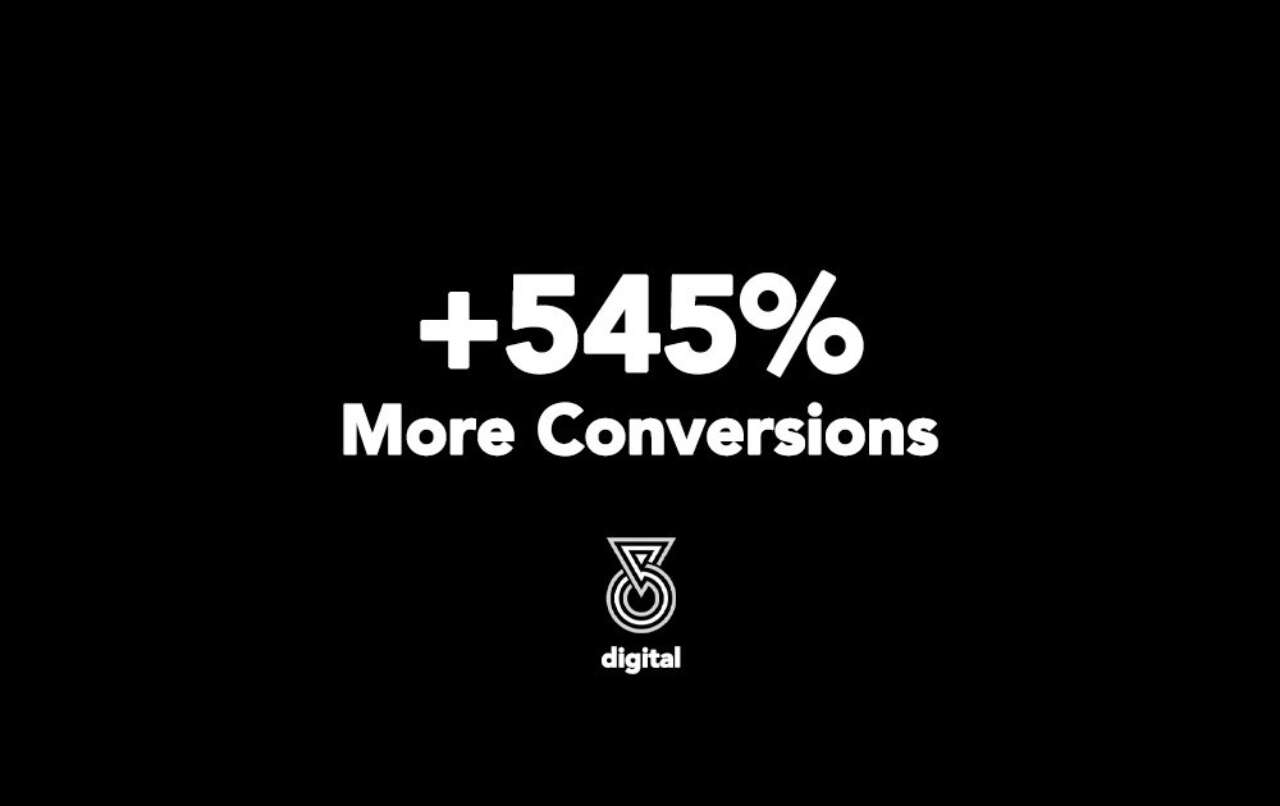
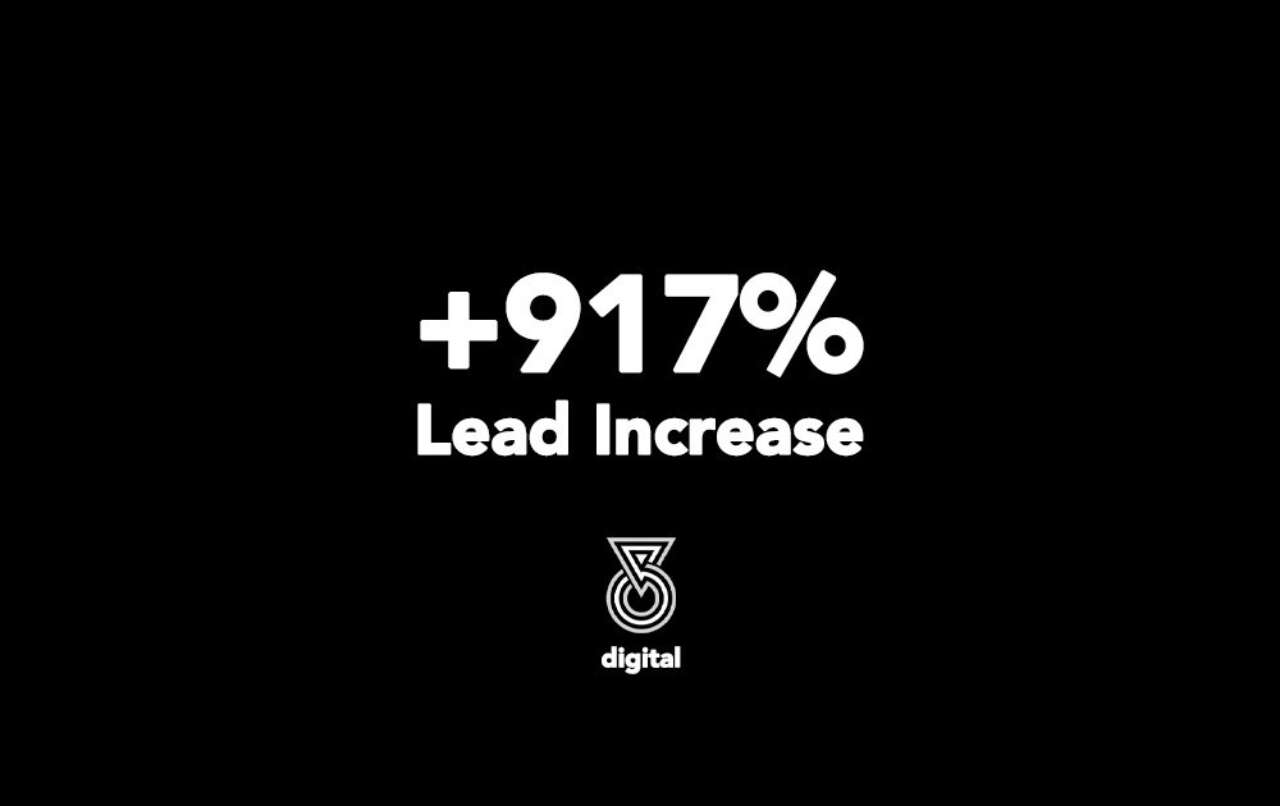
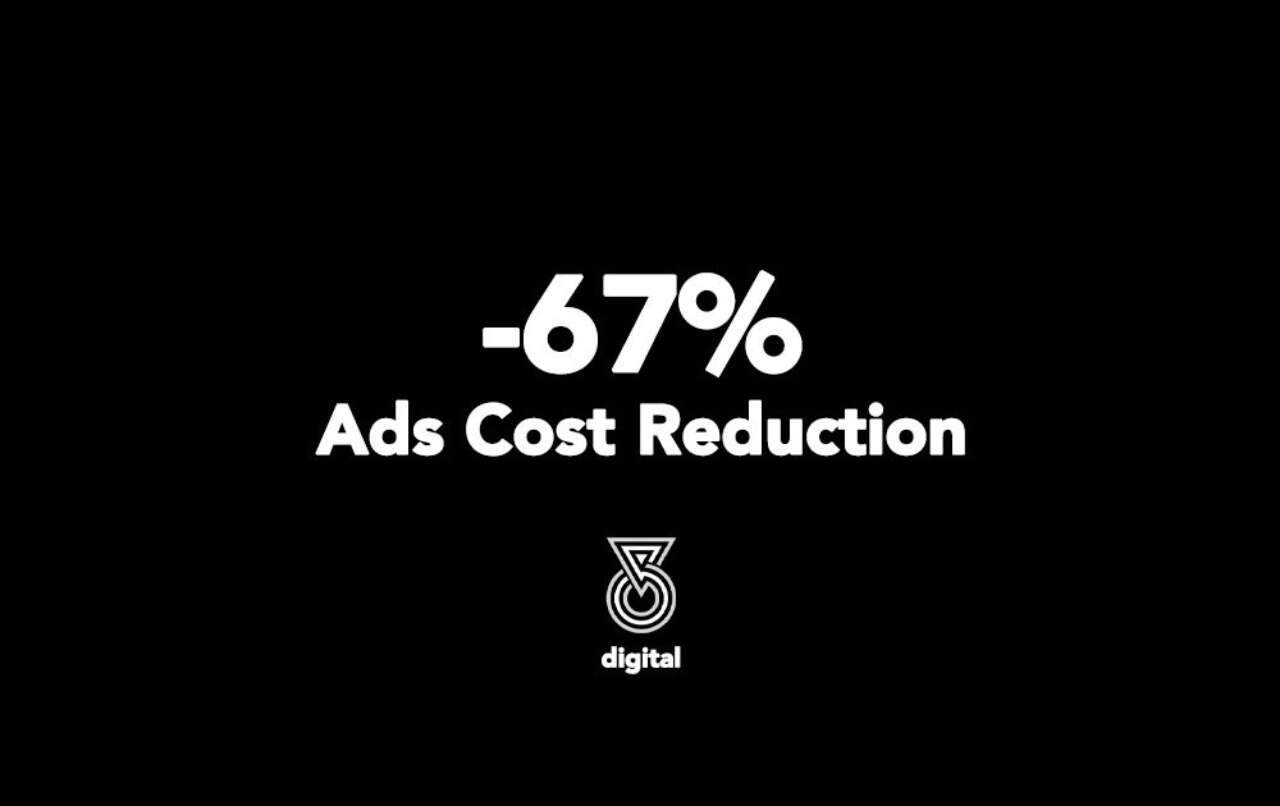
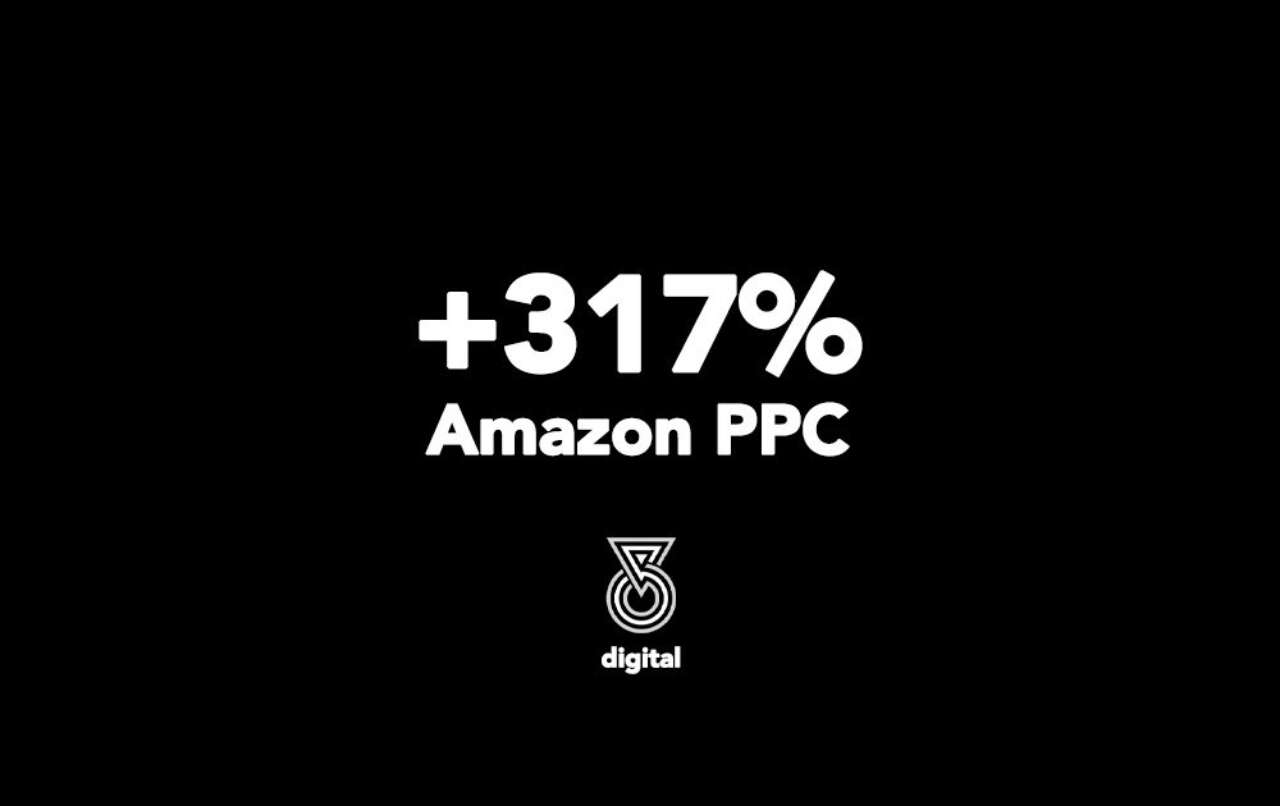
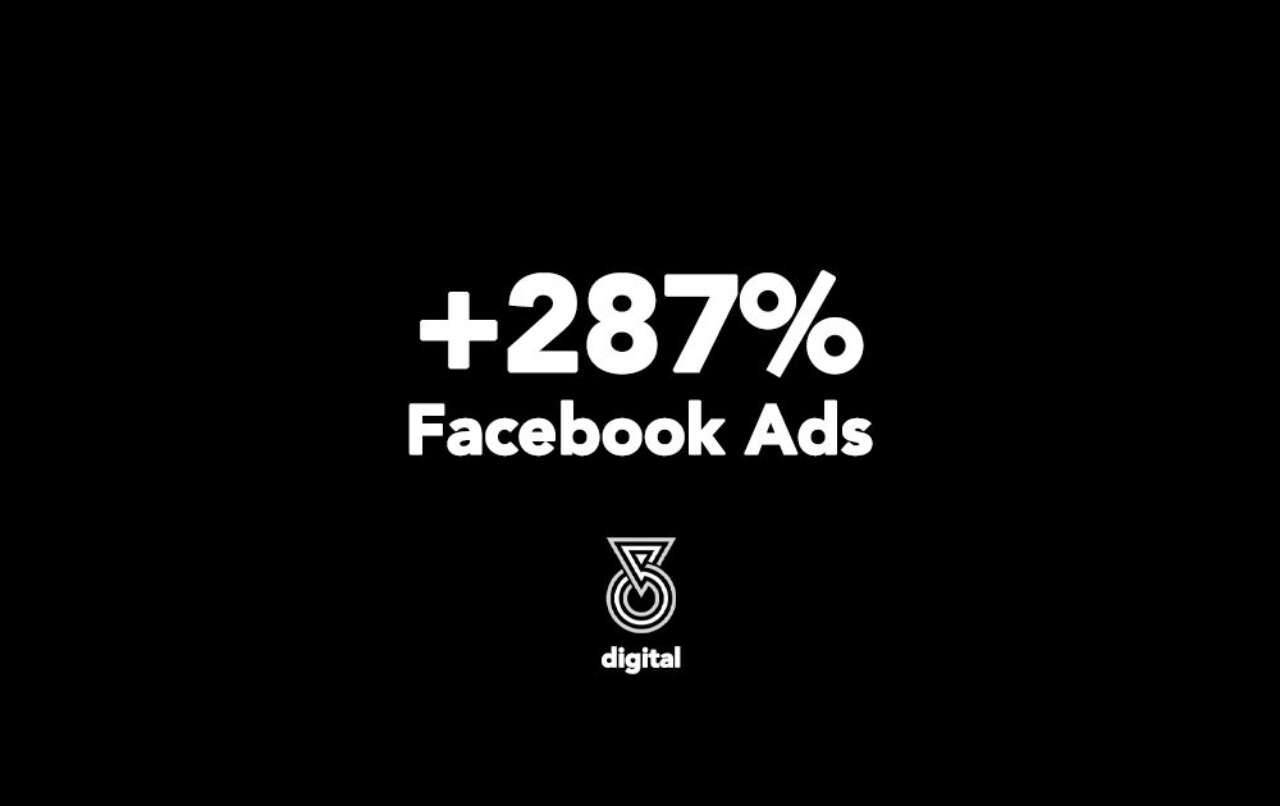
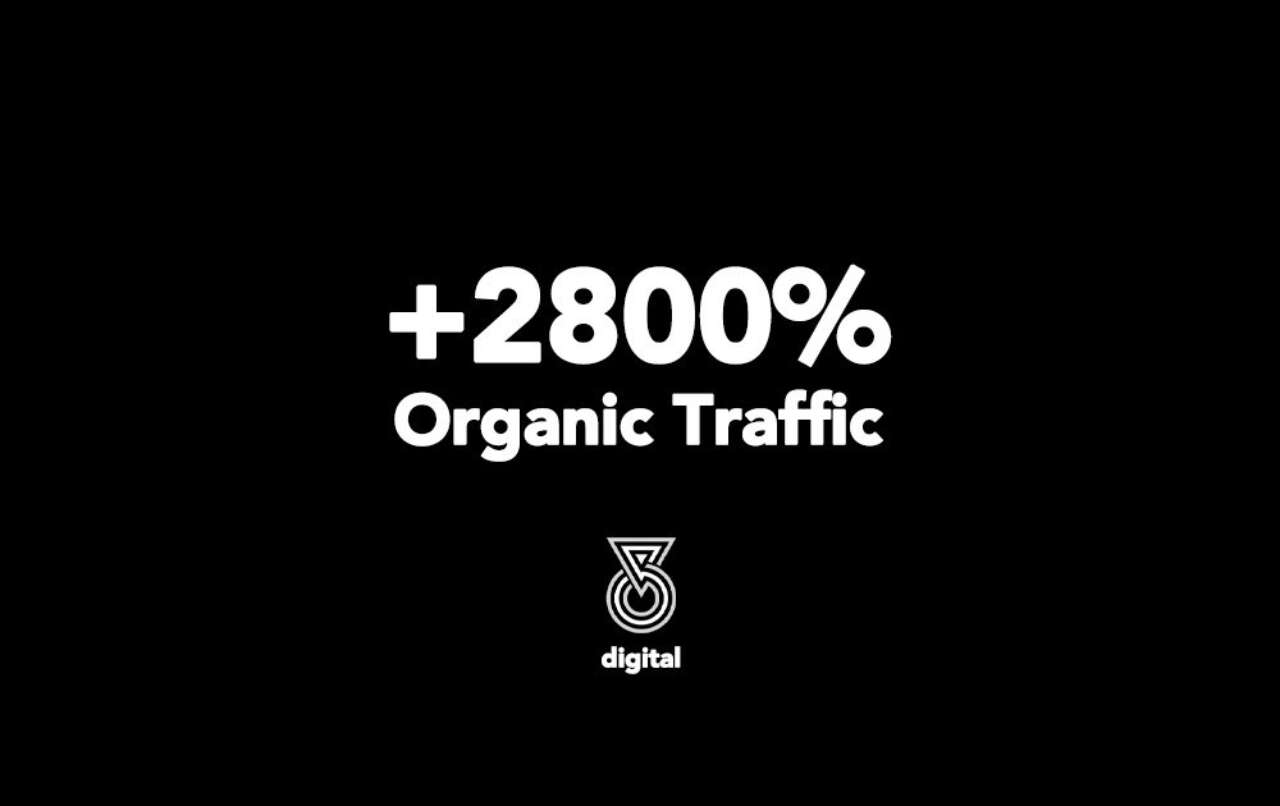
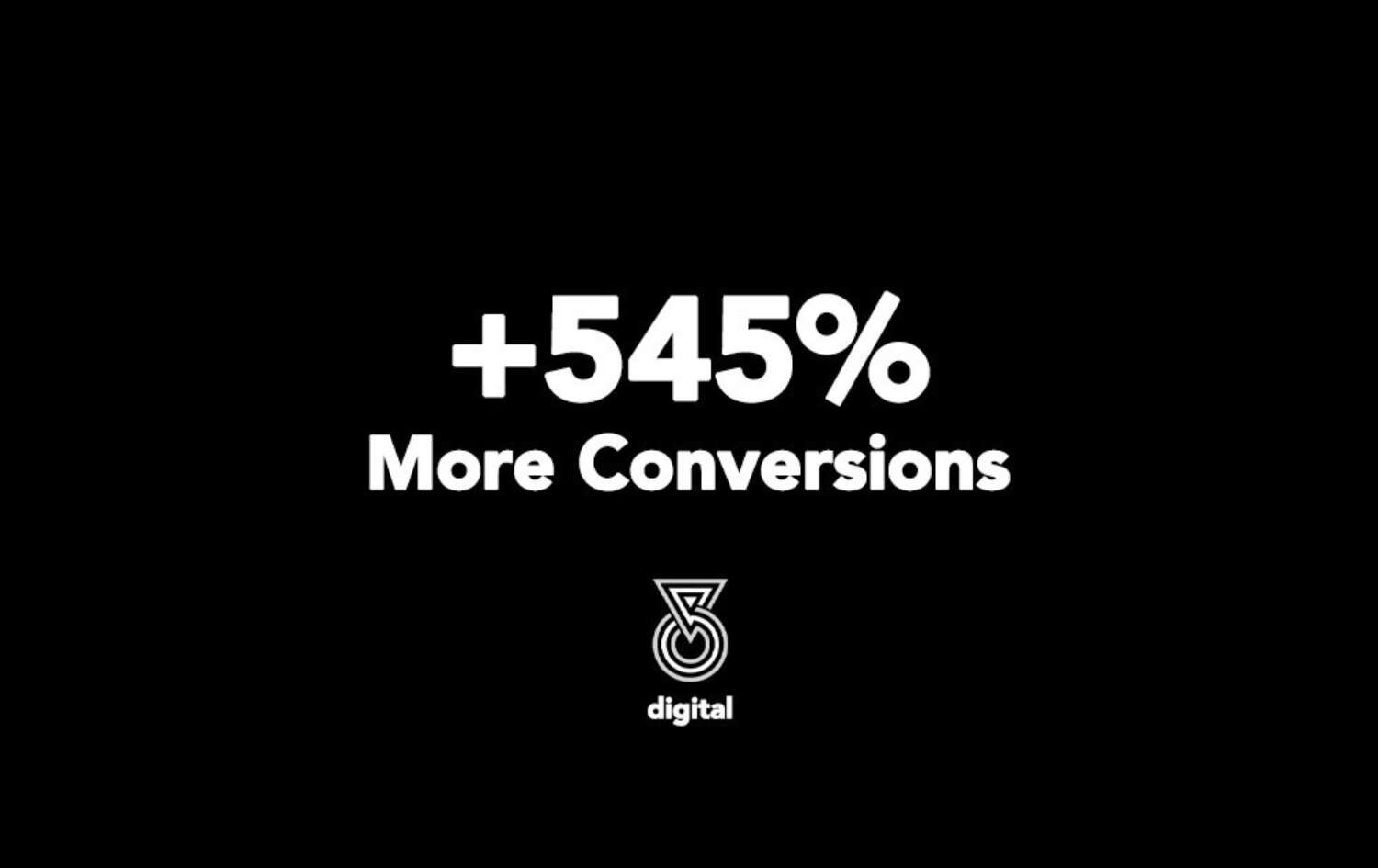
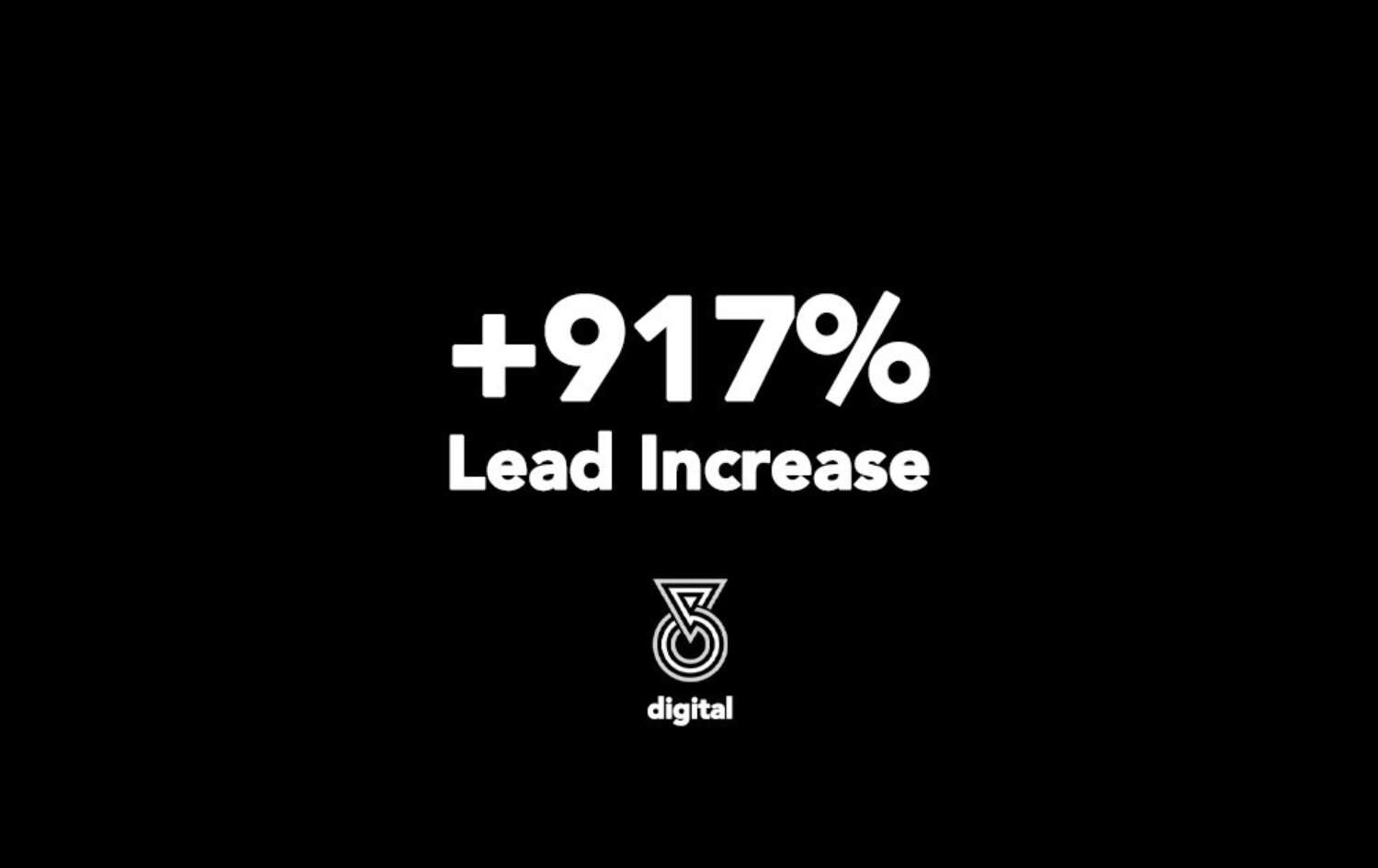
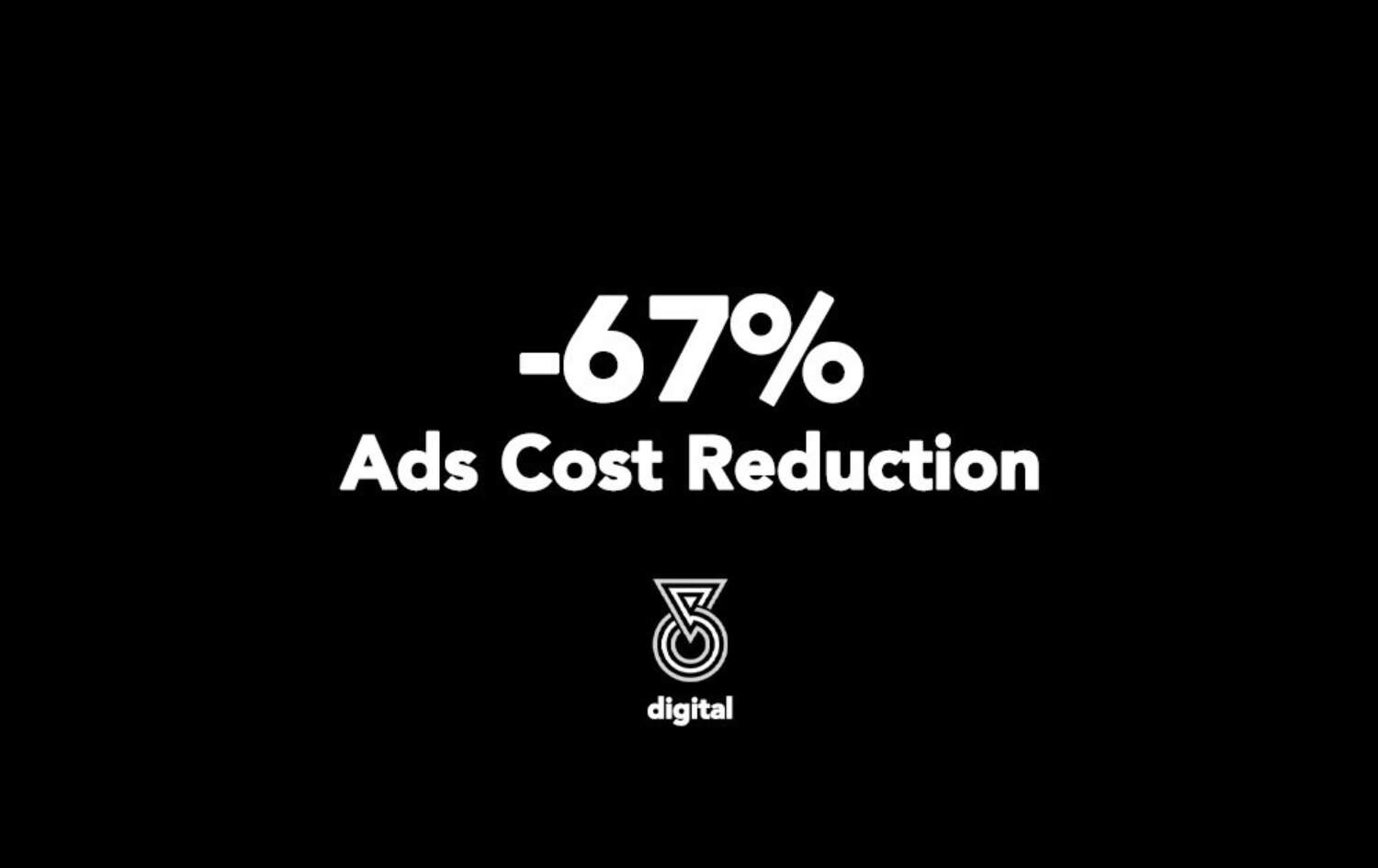
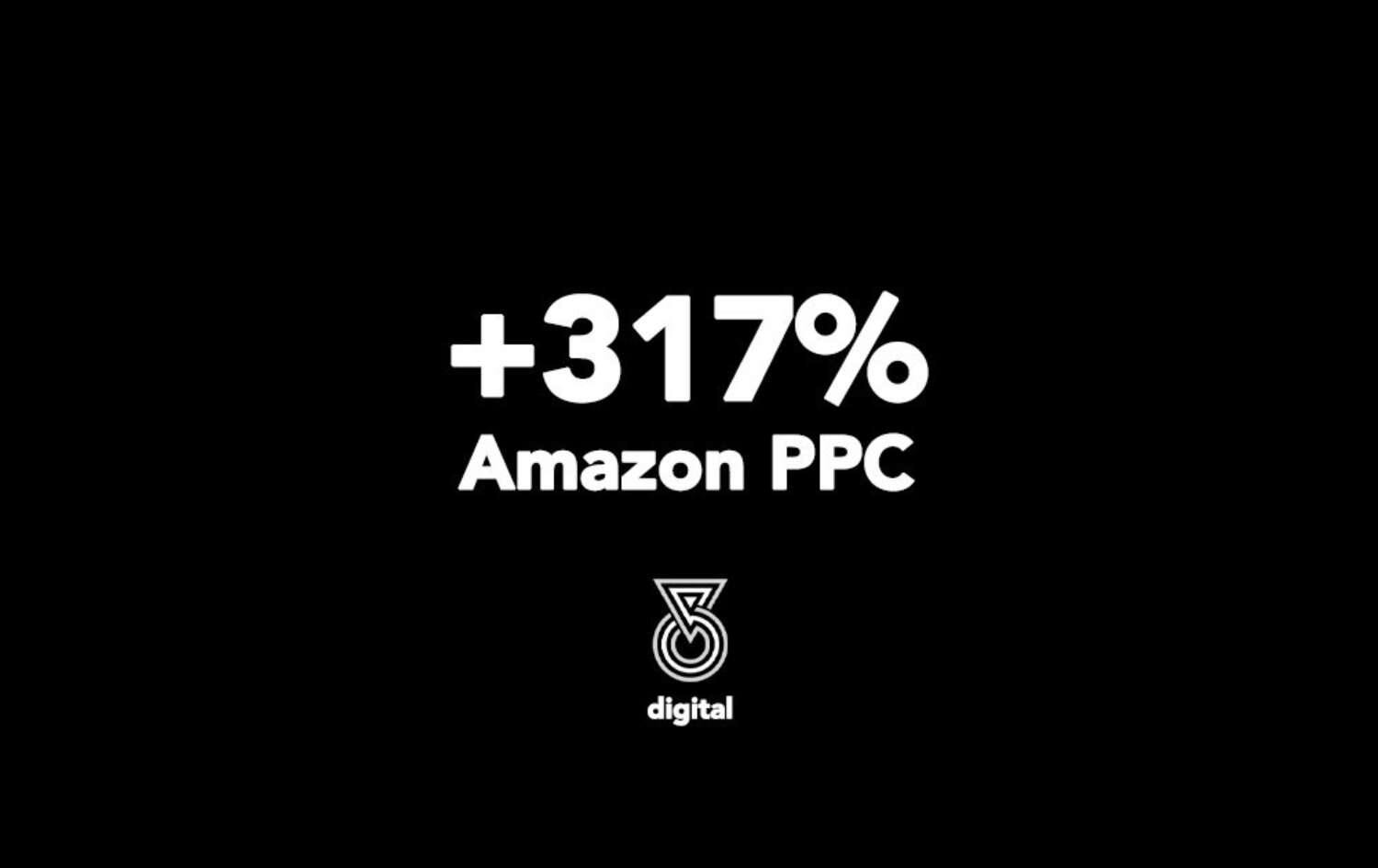
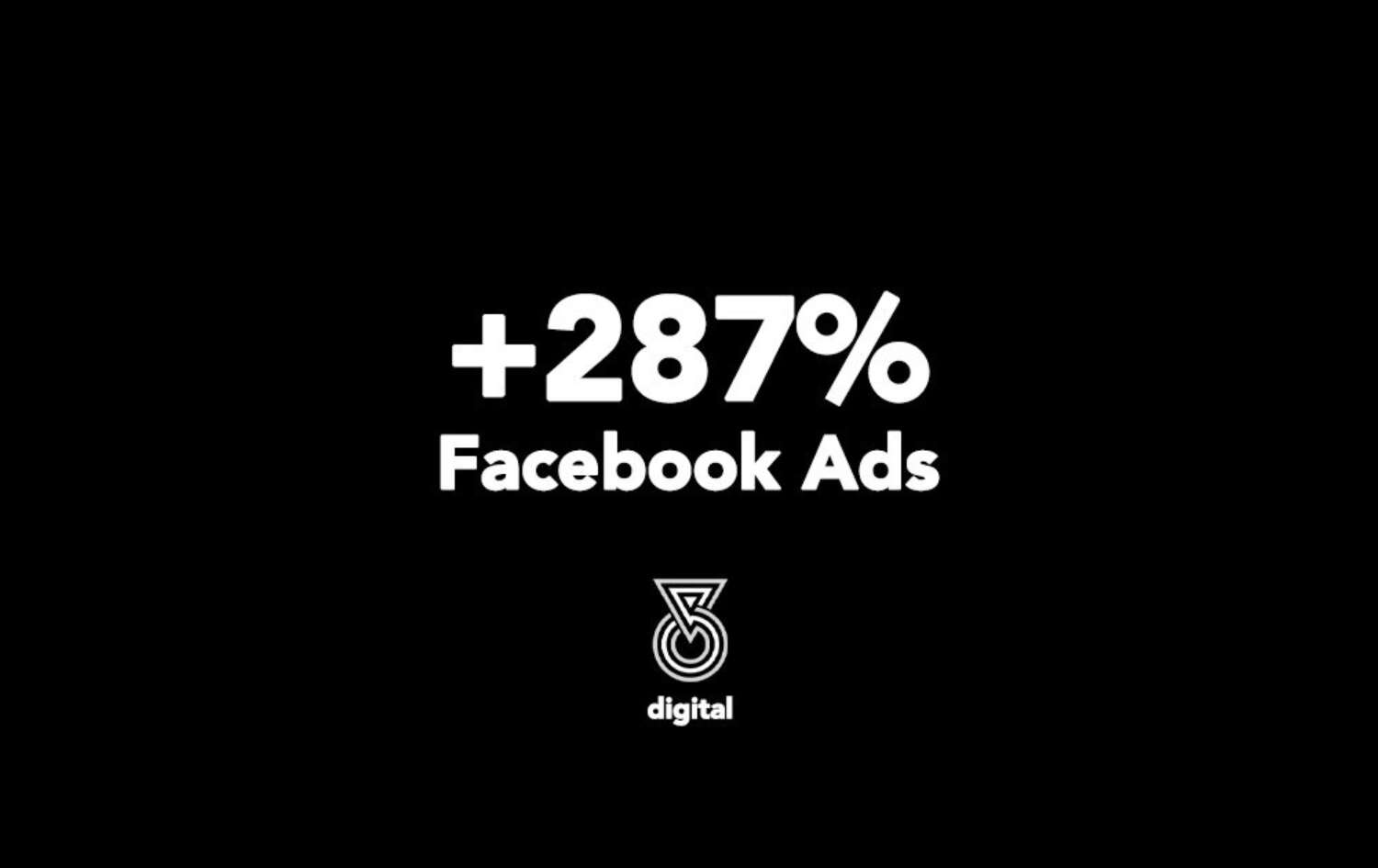
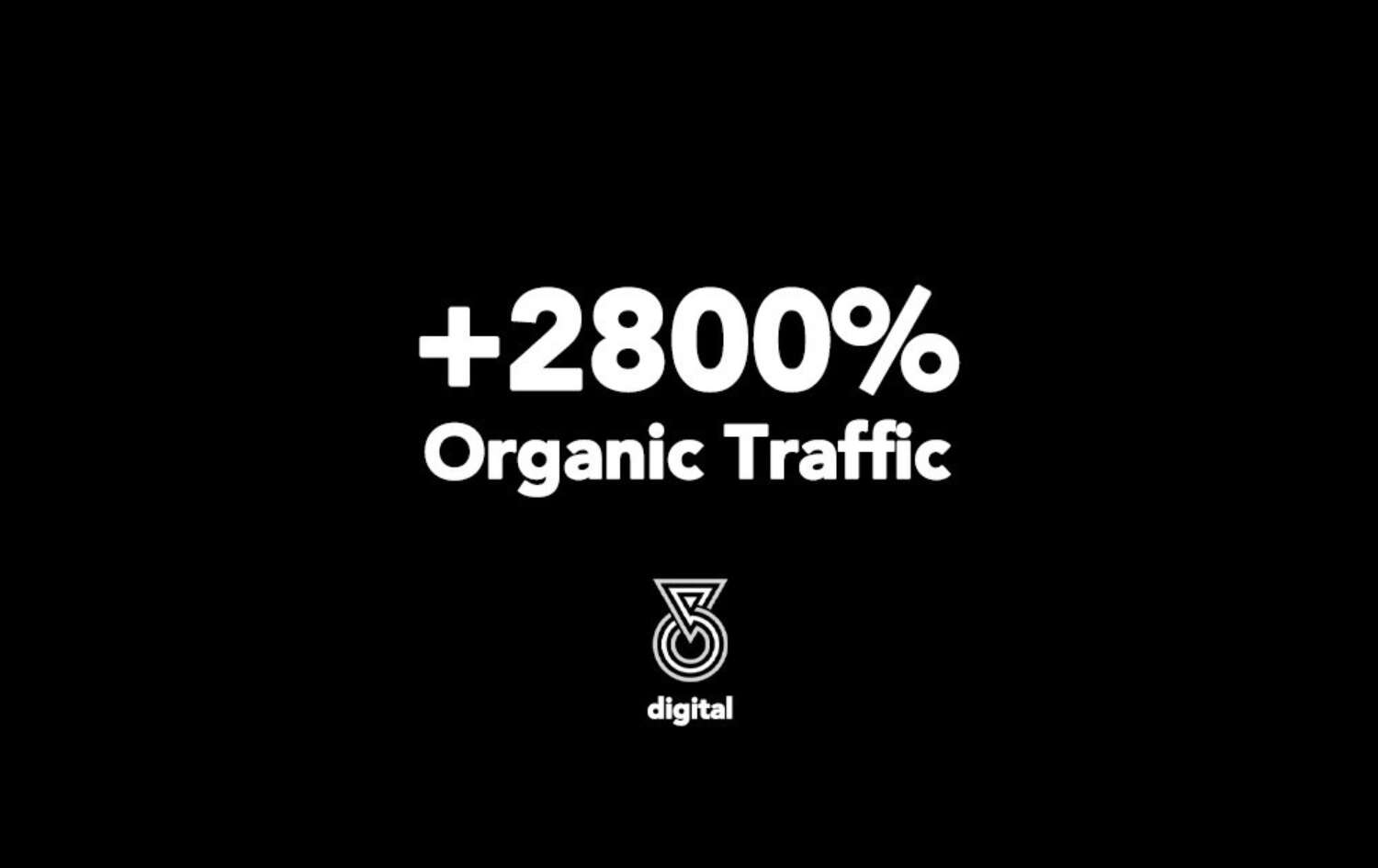















Meta ad strategies built to drive acquisition quality, not vanity engagement.
A structured engagement focused on rebuilding acquisition quality, improving campaign foundations, reducing confusion, and strengthening internal understanding over time. The objective is not permanent outside management, but leaving the business with a stronger structure, clearer decision-making, and less long-term dependency afterwards.




FROM + VAT
FAQs
These frequently asked questions cover how we work, what we deliver, and what you can expect when working with V8 Digital.
Why should I work with V8 Digital?
Because the focus isn’t just on doing the work — it’s on making sure it works and that you understand it. Everything is built around your business, your goals, and how your marketing actually operates. You’re not handed a generic service or left in the dark. You get senior-level input, a structured approach, and a system you can rely on — not just activity.
What services do you offer?
We design and build complete digital marketing systems — from SEO and website structure to paid media, tracking, and data analysis. That includes consultancy, SEO CMS System, keyword research services, and paid media such as Meta ads, LinkedIn ads, and Google Ads. The focus isn’t on isolated services, but on how everything connects and performs together.
How can digital marketing benefit my business?
Done properly, it creates a predictable flow of qualified traffic and enquiries. Done poorly, it burns budget and creates noise. The difference is structure — knowing what to target, how to build around it, and how to measure what actually matters.
How do you measure the success of your campaigns?
Success is measured against real business outcomes — enquiries, conversions, and revenue — not surface-level metrics. Traffic, clicks, and engagement only matter if they lead somewhere. Everything is tracked so you can see what’s working, what’s not, and what needs to change.
Do you offer training or consulting services?
Yes. Part of the work often involves working closely with a small internal team to ensure the system is understood and can be managed properly. The goal isn’t dependency — it’s clarity and control.
Do you work with businesses of all sizes and industries?
We typically work with small to mid-sized businesses that want more structure, better visibility, and clearer decision-making. What matters isn’t size — it’s whether there’s a good fit and a clear opportunity to improve results.
Can you provide examples of successful campaigns?
Yes. Case studies and examples are available showing improvements in visibility, lead quality, and overall performance — including reducing wasted spend and improving return from existing activity.
How do you determine the right digital marketing strategy?
Everything starts with understanding how your business is searched for, how your audience behaves, and where the opportunities sit. From there, structure, channels, and priorities are defined so effort is focused on what actually drives results.
What is your approach to search engine optimisation (SEO)?
SEO starts with understanding real search demand — not assumptions. Keywords, structure, and intent are mapped first, then built into the website and wider marketing system. That includes technical SEO, internal linking, content structure, and SEO website redesign, all working together to improve visibility and conversions.
What is your pricing structure?
Pricing is based on the scope of work and the level of involvement required. Most engagements are project-based, focused on building and structuring a working system rather than ongoing retainers. Where needed, support can be provided afterwards, but the priority is to put something in place that works and can be managed with confidence.
Are there any long-term contracts or commitments required?
There are no long-term contracts. Work is structured around defined engagements with clear outcomes. If ongoing support is needed, it’s agreed based on what actually makes sense — not tied into fixed commitments.
What happens if I'm not satisfied with the results?
If something isn’t working, it’s addressed directly. The focus is always on improving performance based on real data and feedback, not just maintaining activity for the sake of it.